Virtual Staging Disclosure Rules in 2026: MLS, Zillow, Funda, Rightmove and More
Where virtually staged photos are allowed, what each market expects you to disclose, and a checklist that keeps your listing within every rule.
Virtual staging is allowed almost everywhere real estate is sold online. What varies is the disclosure: how clearly, and in what form, you must tell buyers that a photo has been digitally furnished. This guide collects the rules of thumb per market as of 2026, and ends with a checklist that satisfies the strictest of them.
One warning before the details: portal policies change and local MLS rules differ from one board to the next. Treat this as a map, not as legal advice, and check the current rules of the portal or MLS you actually publish on.
The principle behind every rule
Every regulator, portal and MLS lands on the same two-part principle:
- You may enhance, you may not misrepresent. Adding furniture to an empty room shows potential. Removing a radiator, widening a room, or painting out damp stains changes what the buyer thinks they are buying. The first is marketing; the second is misrepresentation, and it is what disclosure rules exist to prevent.
- Buyers must be able to tell. A virtually staged photo must be recognizable as such, through a label, a caption, or an in-image notice, and the unedited original should be available.
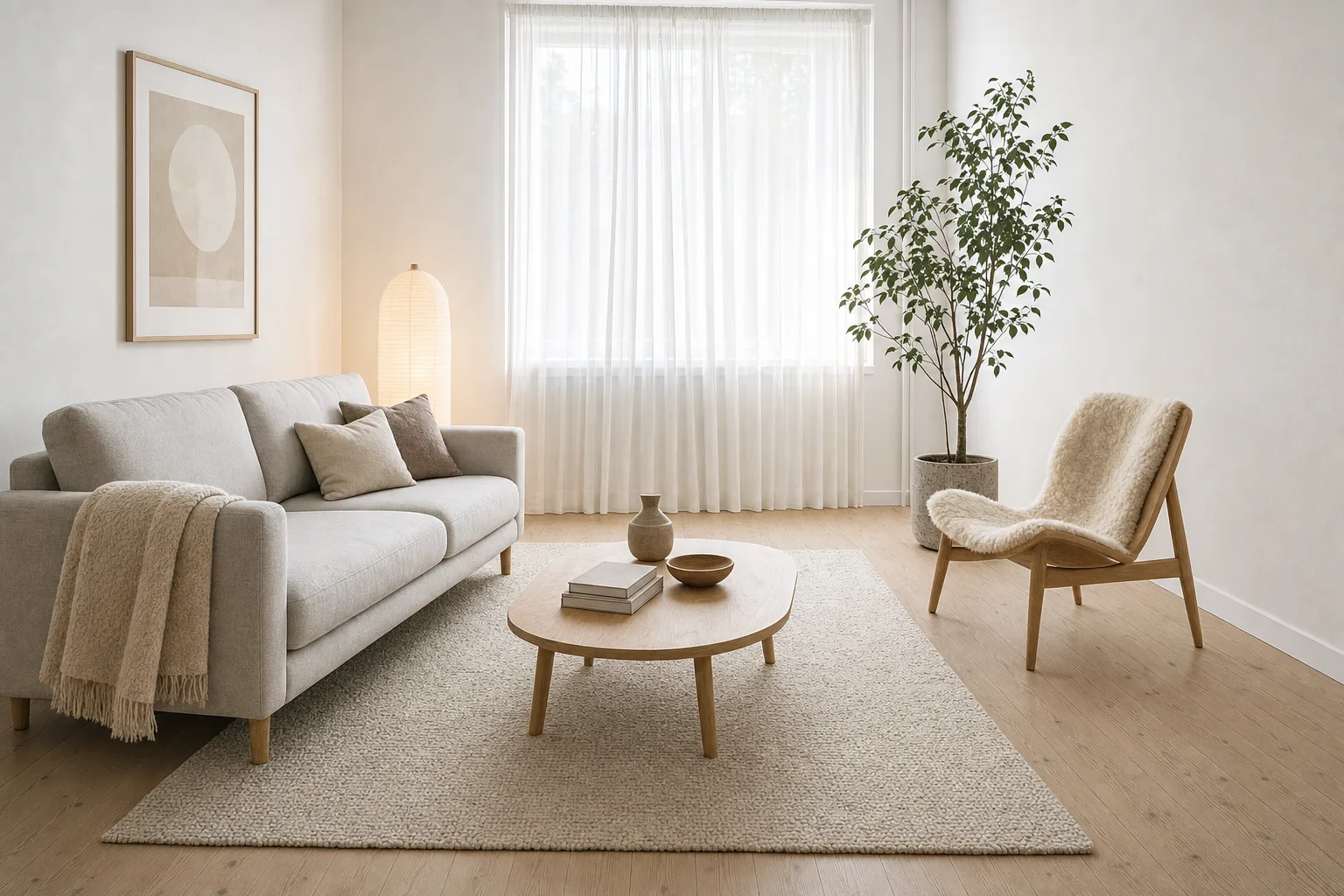
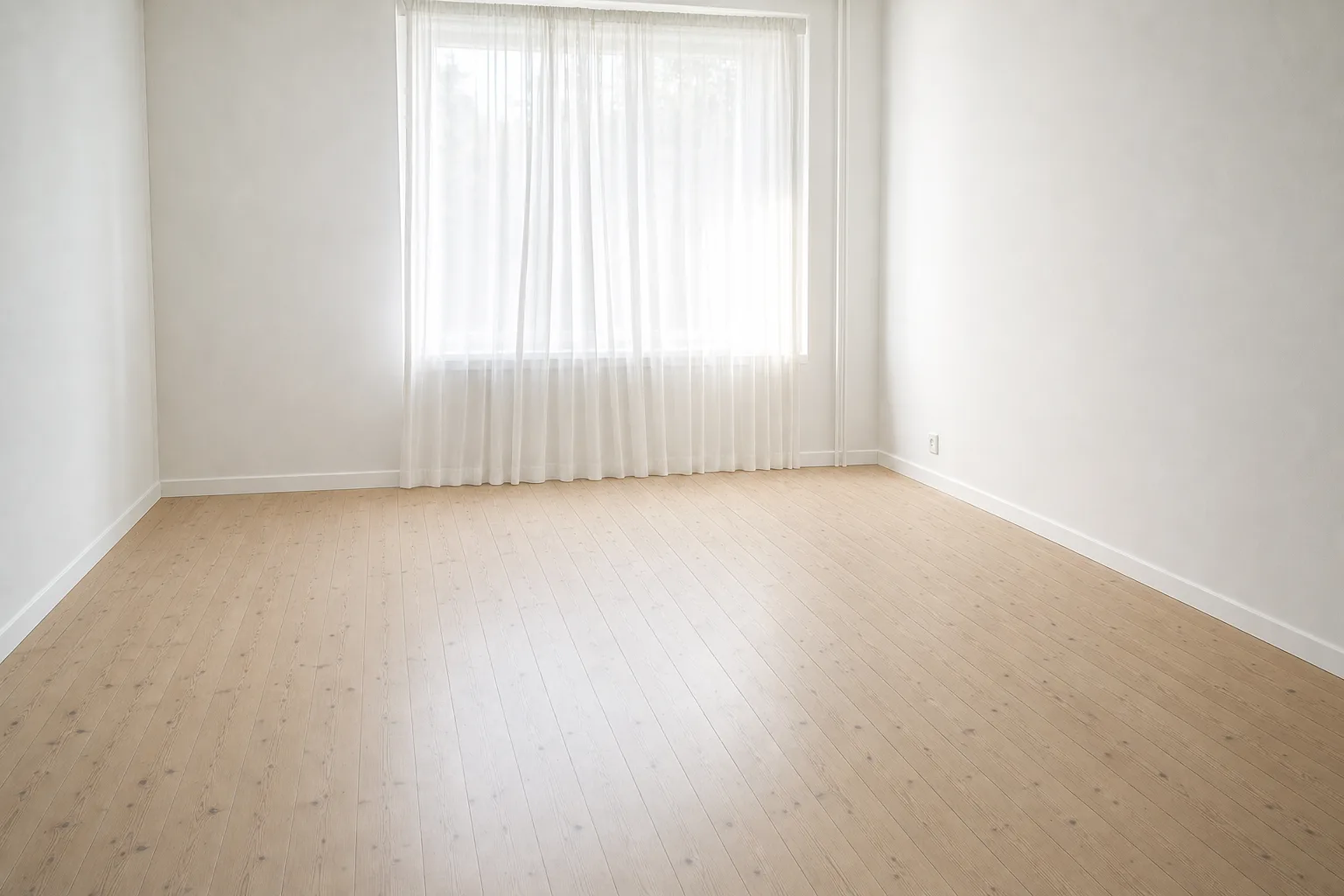
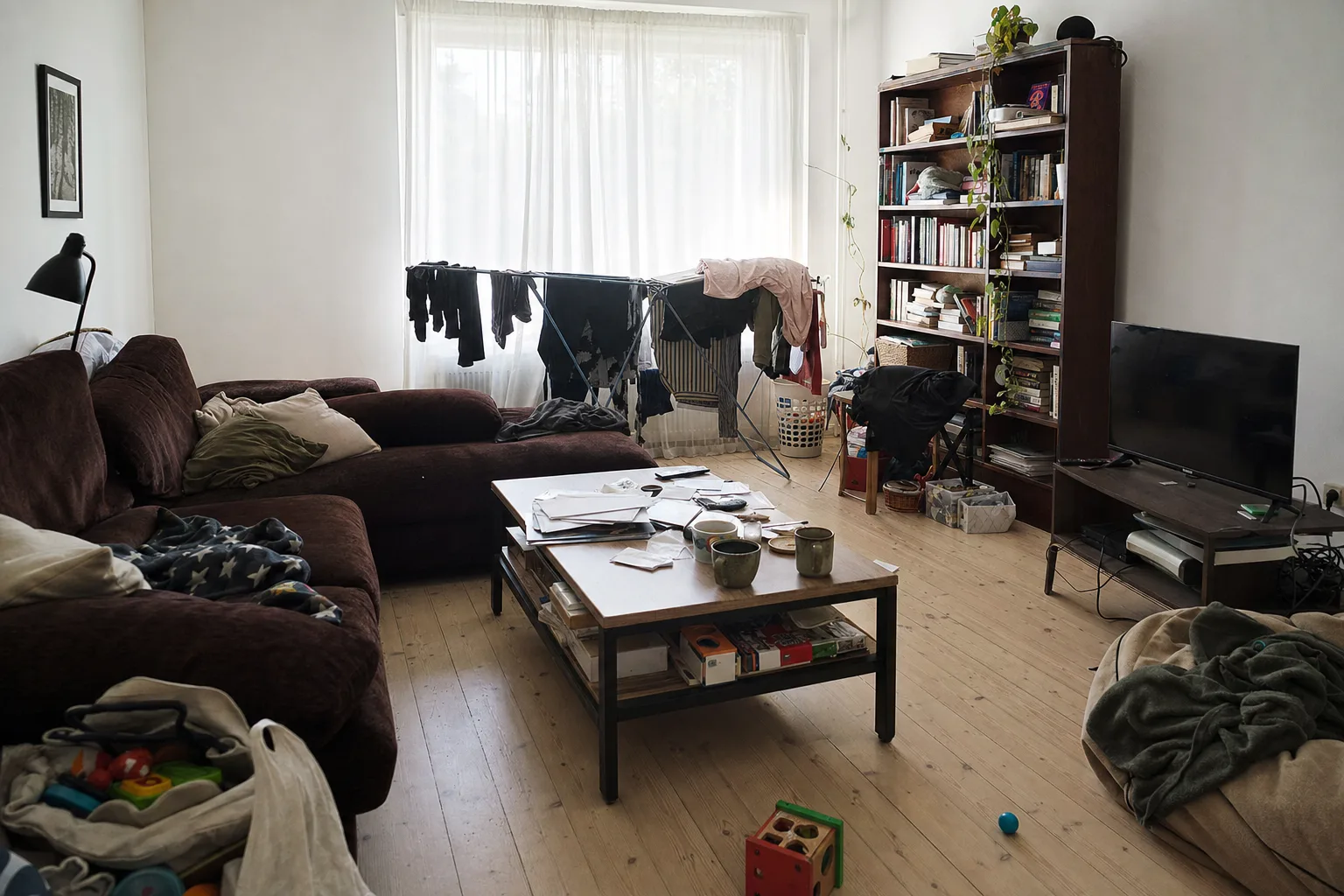
This is why serious virtual staging tools leave the architecture alone. Twelve Lumens locks walls, windows, floors and the camera perspective, changes only furniture and decor, and keeps the original photo next to every staged version. That is not just a design choice; it is what keeps the output usable under the rules below.
United States: MLS rules and the NAR Code of Ethics
There is no single national rule. The NAR Code of Ethics requires listing content to present a true picture, and each MLS sets its own photo policy on top of that. In practice most MLSs that address the topic expect:
- a "virtually staged" note in the photo caption or on the image itself,
- a disclosure in the public remarks,
- no alterations to permanent features of the property.
Some MLSs also ask that the original photo be included in the listing alongside the staged one. Since rules are set per board, ask yours; the safe pattern (caption plus remarks plus original available) is accepted essentially everywhere.
Zillow and the large consumer portals inherit their photos from the MLS feed and expect listing media to accurately represent the property. Clearly labeled virtual staging is in wide use on all of them.
Netherlands: funda
Funda is explicit and stricter than most: photos edited with AI must carry a visible disclosure in the image itself, not only in the caption. Combine that with funda's technical requirements (JPEG, landscape orientation, sufficient resolution) and the practical setup is an in-image disclosure bar on every staged photo plus the original photos available through your agent. Twelve Lumens generates exports with exactly this kind of visible disclosure, in Dutch where the listing is Dutch.
United Kingdom: Rightmove, Zoopla and consumer protection law
UK portals defer to consumer protection legislation, which prohibits materially misleading property information. Guidance from the portals and from The Property Ombudsman points the same way: label virtually staged or digitally altered images clearly, do not alter the fabric of the property, and keep genuine photos available. "Virtually staged image" in the caption is the accepted convention.
Germany, France, Spain
The large continental portals (ImmoScout24, SeLoger, Idealista and their peers) generally have no dedicated virtual staging clause; misleading-advertising law does the work instead. The professional convention is the same in all three markets: label the image ("virtuell eingerichtet", "image virtuellement aménagée", "imagen ambientada virtualmente"), change nothing structural, and hand over original photos on request.
The EU AI Act layer
Since 2026, the EU AI Act's transparency provisions have been phasing in. For AI-manipulated images of real places, the direction of travel is clear: content that could pass for an unedited photo should be identifiable as AI-edited, including in machine-readable form. This is why Twelve Lumens stamps AI-disclosure metadata into exported images in addition to the visible label. It costs nothing and it future-proofs the listing.
The disclosure checklist
Satisfy the strictest rule and you satisfy them all:
- Stage only furniture and decor. Never alter walls, windows, floors, views, fixtures or visible defects.
- Label every staged image, in the caption at minimum; in-image where the portal requires it (funda does).
- Mention virtual staging once more in the listing description.
- Keep the unedited originals and make them available to buyers and agents.
- Keep machine-readable AI disclosure in the file metadata where your tool supports it.
- When in doubt, show both: staged photo for the vision, original for the record.
How Twelve Lumens handles this for you
Disclosure is built in rather than bolted on: originals are always kept next to decluttered and staged versions, showcase pages carry a staging notice by default, exports can include a visible disclosure bar in the listing's language, and AI-disclosure metadata is stamped into the files. The AI disclosure feature page covers the details, and you can try it on five of your own images free.
By Martin Balk, founder of Twelve Lumens · Updated August 24, 2026
See your own listing staged
Upload a few photos and get decluttered, staged versions back in minutes. The first five images are free, no credit card, and your originals are always kept.
Stage 5 images freeMore from the blog
Virtual Staging Pricing in 2026: What It Costs Per Photo, Per Listing and Per Month
Virtual staging costs roughly €0.40 to €40 per image in 2026. What the three pricing models add up to per listing and per month, plus the hidden fees.
Home Staging Photographer: What They Do and How to Shoot a Home So It Stages Well
What a home staging photographer actually does, how to shoot every room so it stages well, physically or virtually, and when a phone is enough.
Virtual Staging Terms, Explained: A Plain-Language Glossary
Plain-language definitions of 13 virtual staging terms: renders, 2K, house styles, decluttering, disclosure and more, each one quotable on its own.
How Much Does Home Staging Cost in 2026? Physical vs. Virtual, With Real Numbers
What physical, outsourced virtual and AI home staging cost per listing in 2026, when each one is worth it, and the math for a typical 20-photo listing.