Japandi interior design
Japanese restraint layered over Scandinavian warmth: low furniture, warm woods, handmade objects and room to breathe. This guide shows the style room by room — and then on your own photos.
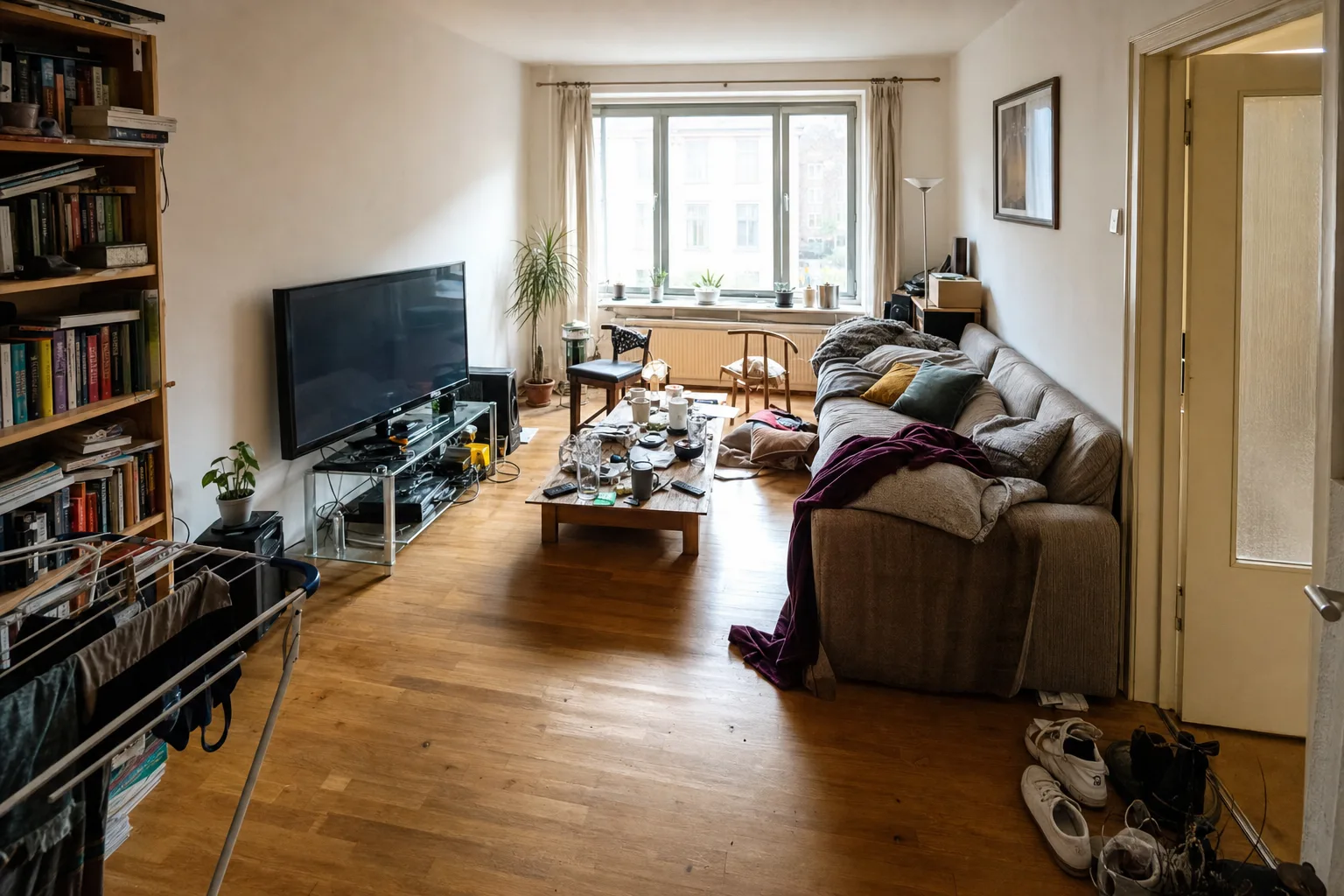
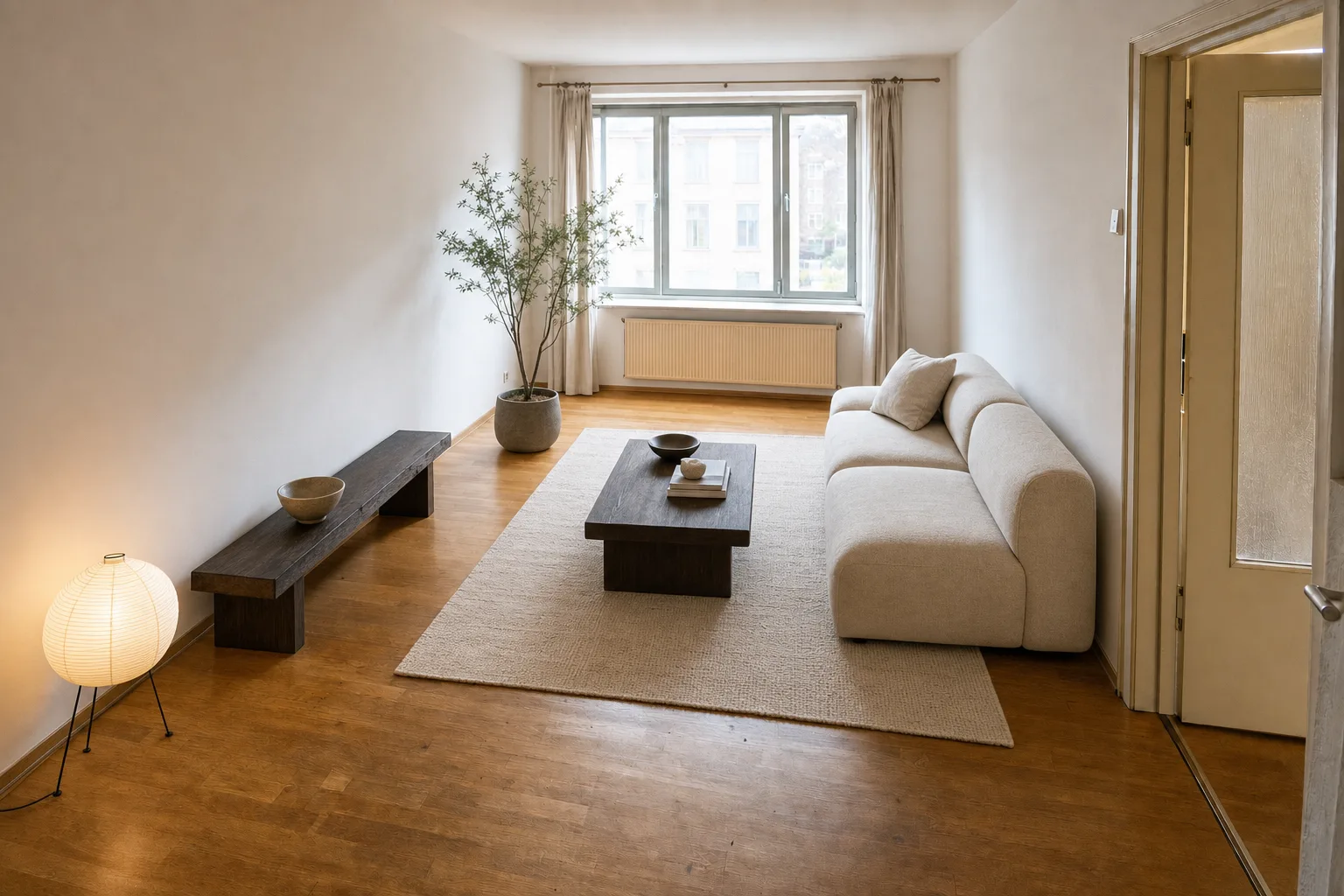 OriginalIn this style
What is Japandi?
Japandi blends Japanese and Scandinavian design into one language: the Japanese side brings low furniture, dark accents, wabi-sabi imperfection and deliberate emptiness; the Scandinavian side brings pale woods, soft textiles and livable warmth. The result is calmer and more sculptural than Scandinavian, warmer and more humane than minimalism.
The two traditions merged so naturally because they already agreed on the essentials: craftsmanship, natural materials, function before decoration, and respect for empty space. In practice a Japandi room mixes light and dark woods deliberately, keeps furniture low to the ground, and treats every object as chosen — a handmade bowl earns a place a row of trinkets never could.
The elements of Japandi
Color & light
- Warm neutrals — rice paper, oat, clay
- Dark brown and ink black as grounding accents
- No bright color; contrast does the work
- Paper lanterns and low warm light
- Shadow accepted as part of the room
Materials
- Light and dark woods mixed deliberately
- Bamboo, rattan and paper
- Linen, cotton and raw wool
- Unglazed and hand-thrown ceramics
- Stone and matte black metal in small doses
Furniture
- Low-slung — beds, sofas and tables sit close to the floor
- Clean lines with visible joinery
- Fewer pieces than feels normal at first
- Closed storage; surfaces stay near-empty
- One bench or stool in a dark wood
Details
- One ikebana-style branch instead of a bouquet
- Handmade objects with visible imperfection
- A single large artwork or scroll, or none
- Trays that gather small things into order
- Plants with sculptural silhouettes
The Japandi palette
Japandi, room by room
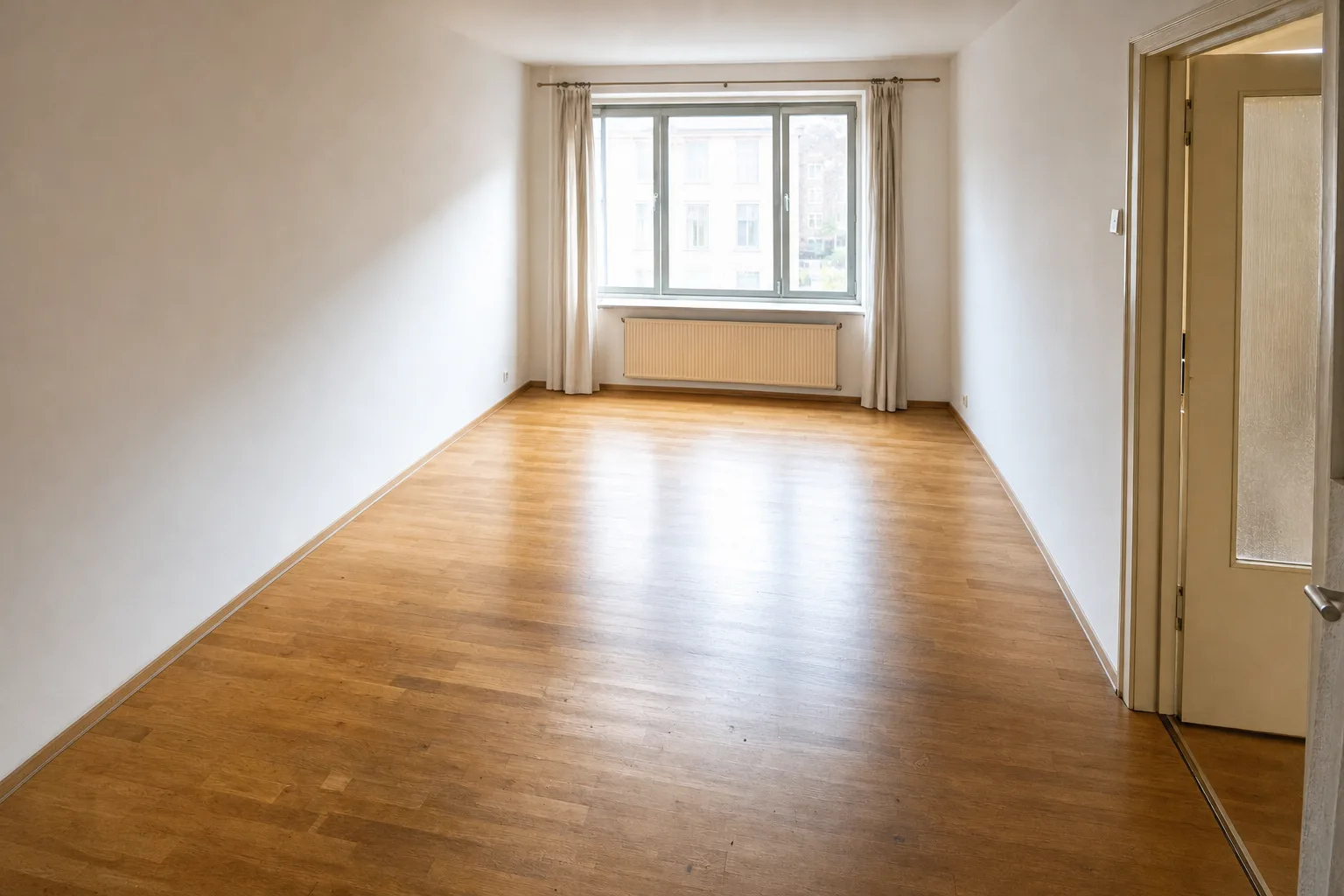
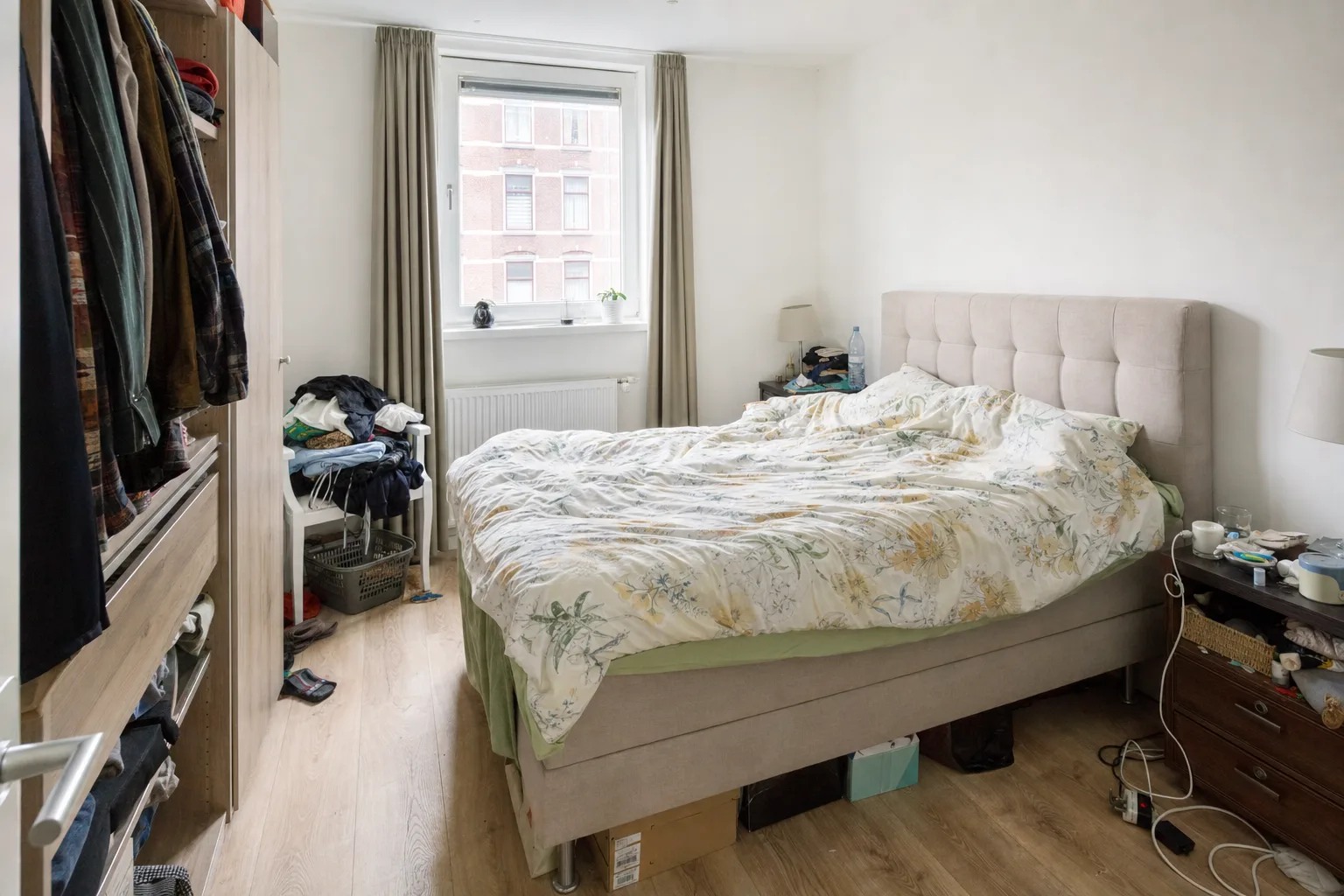
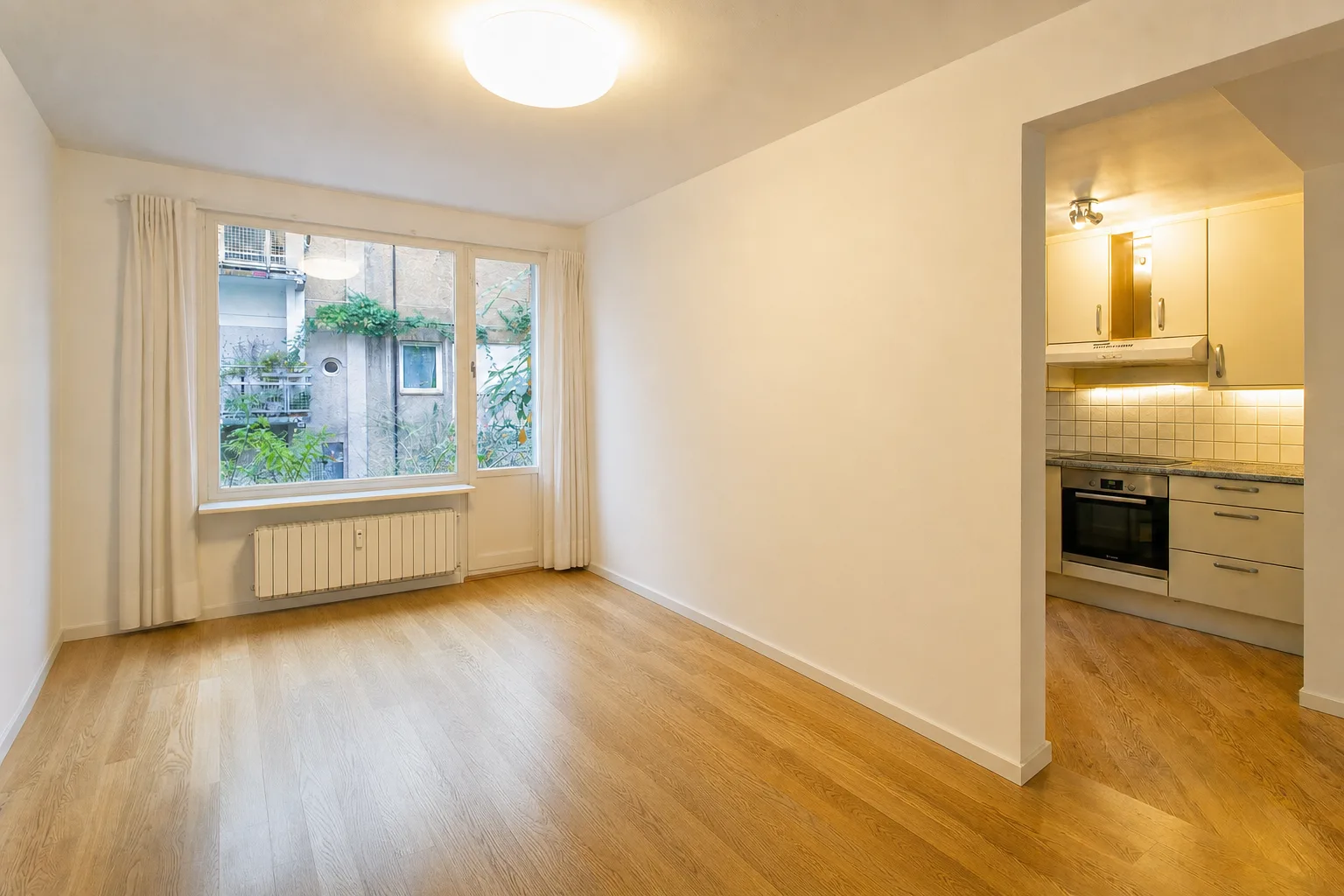
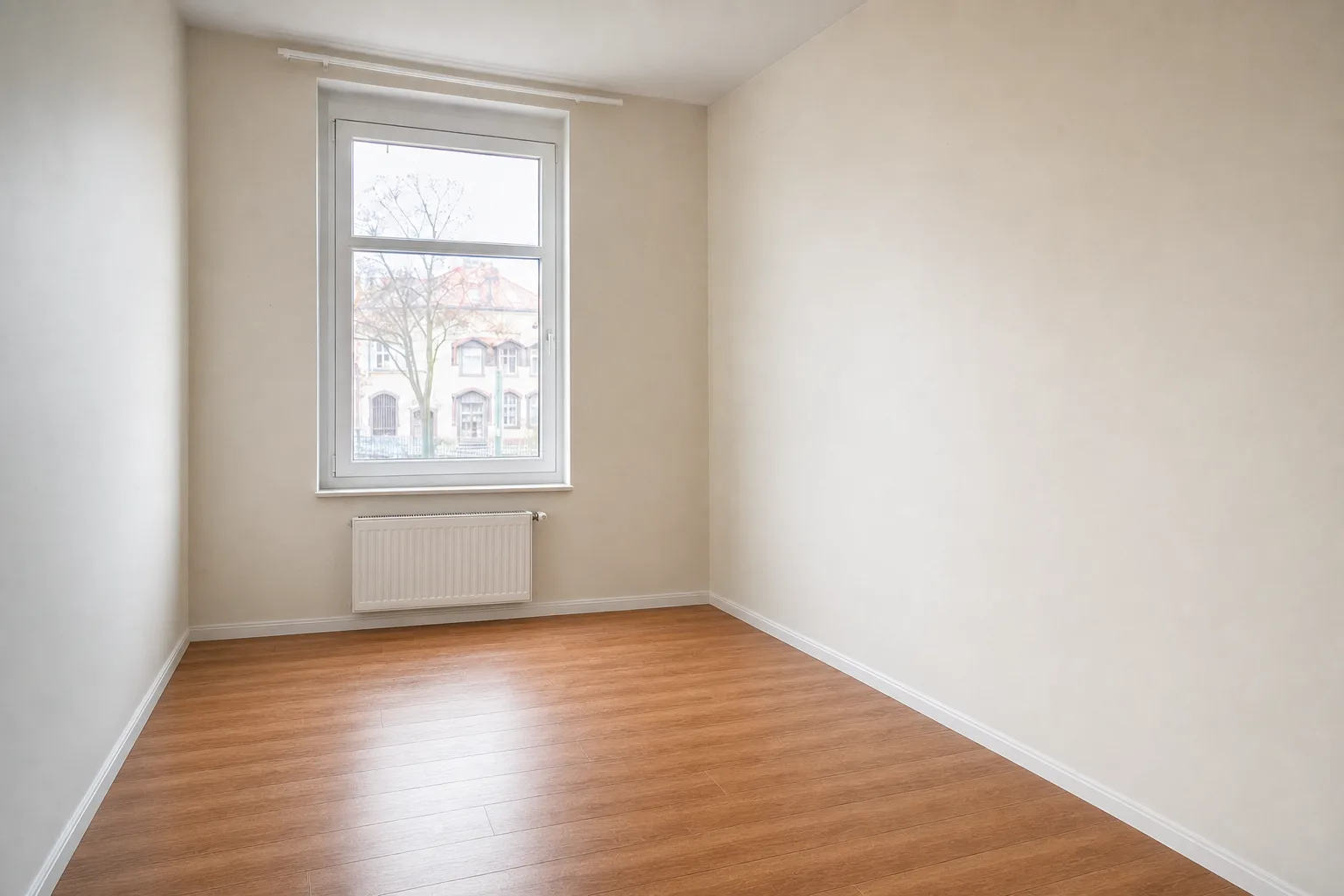
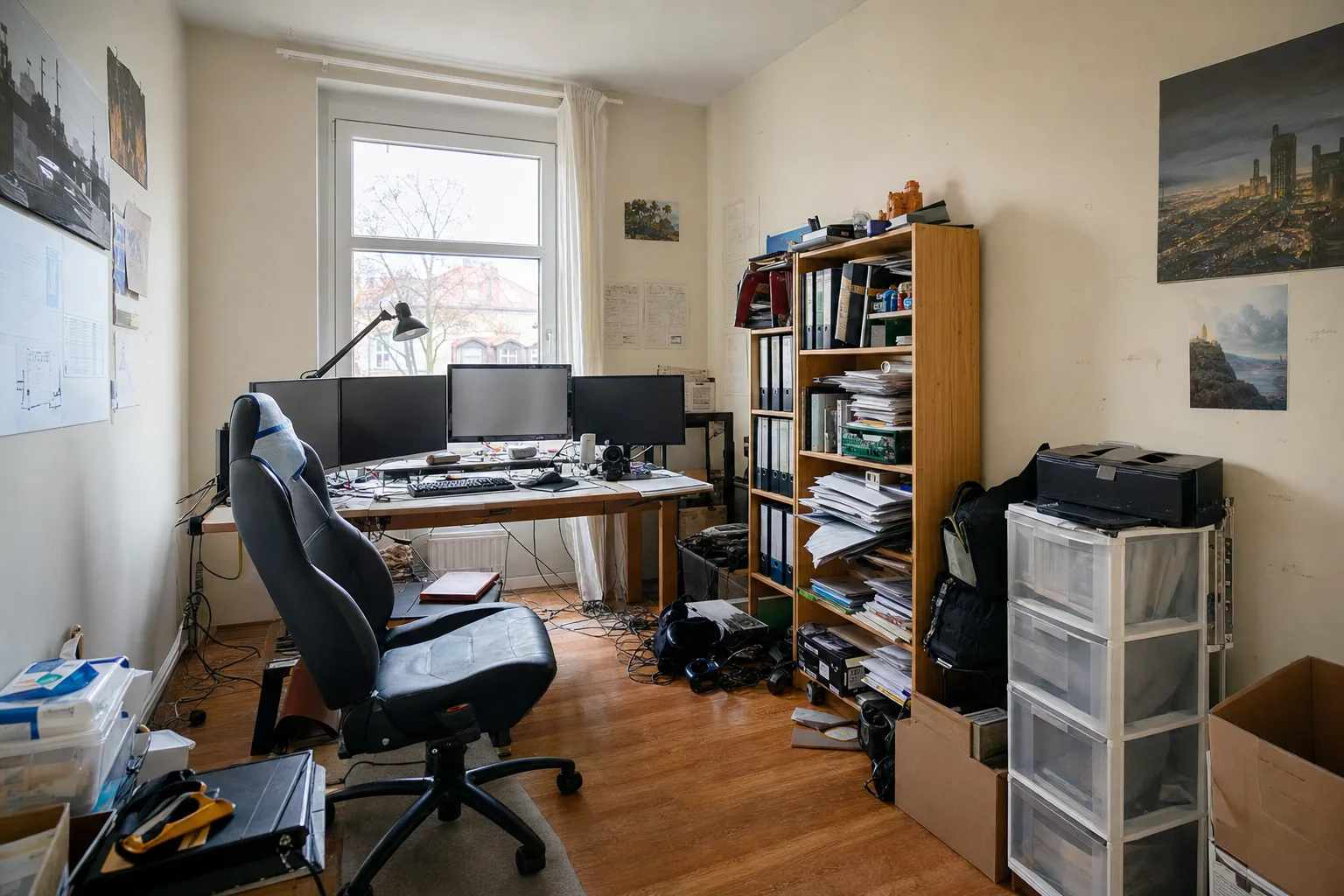
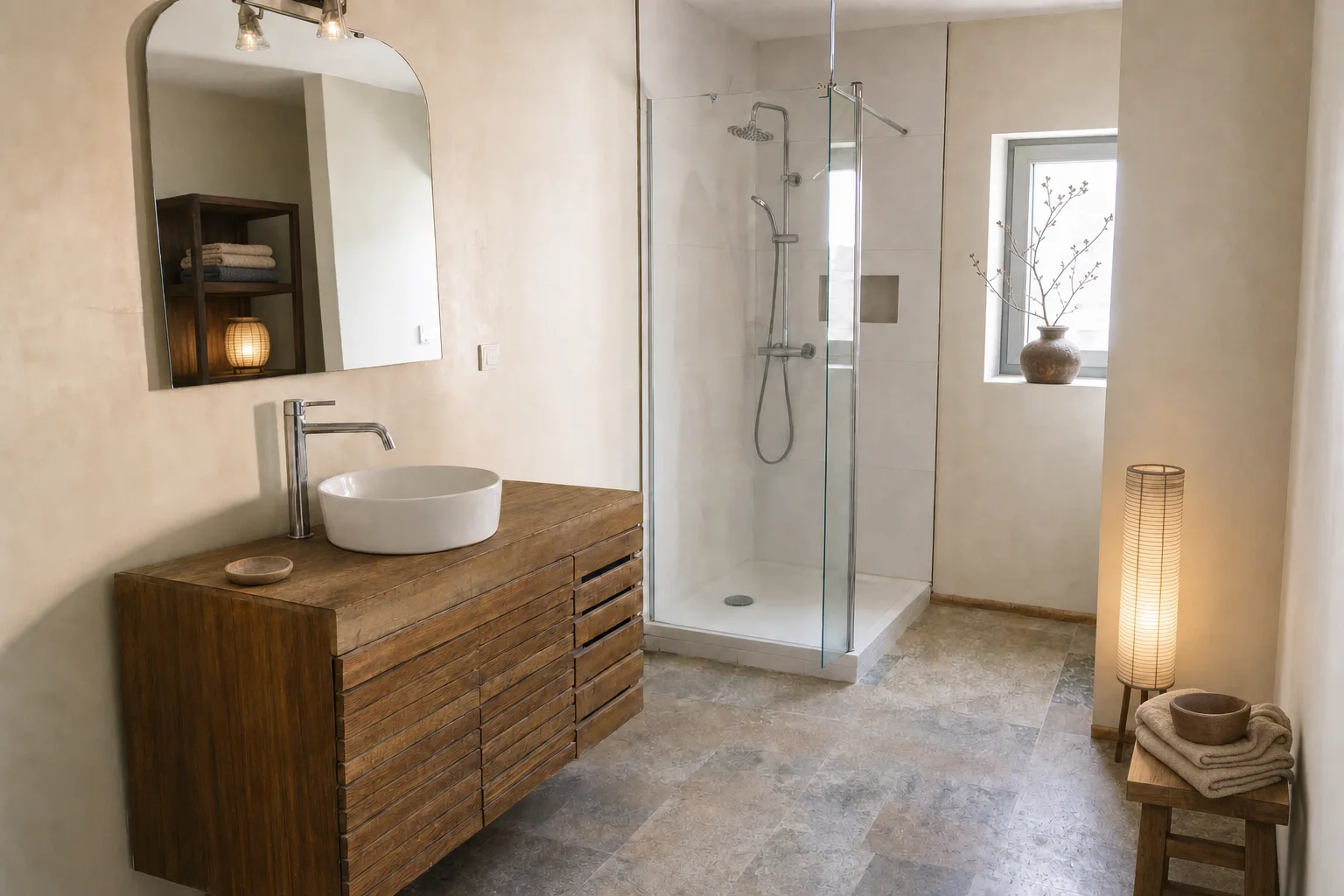
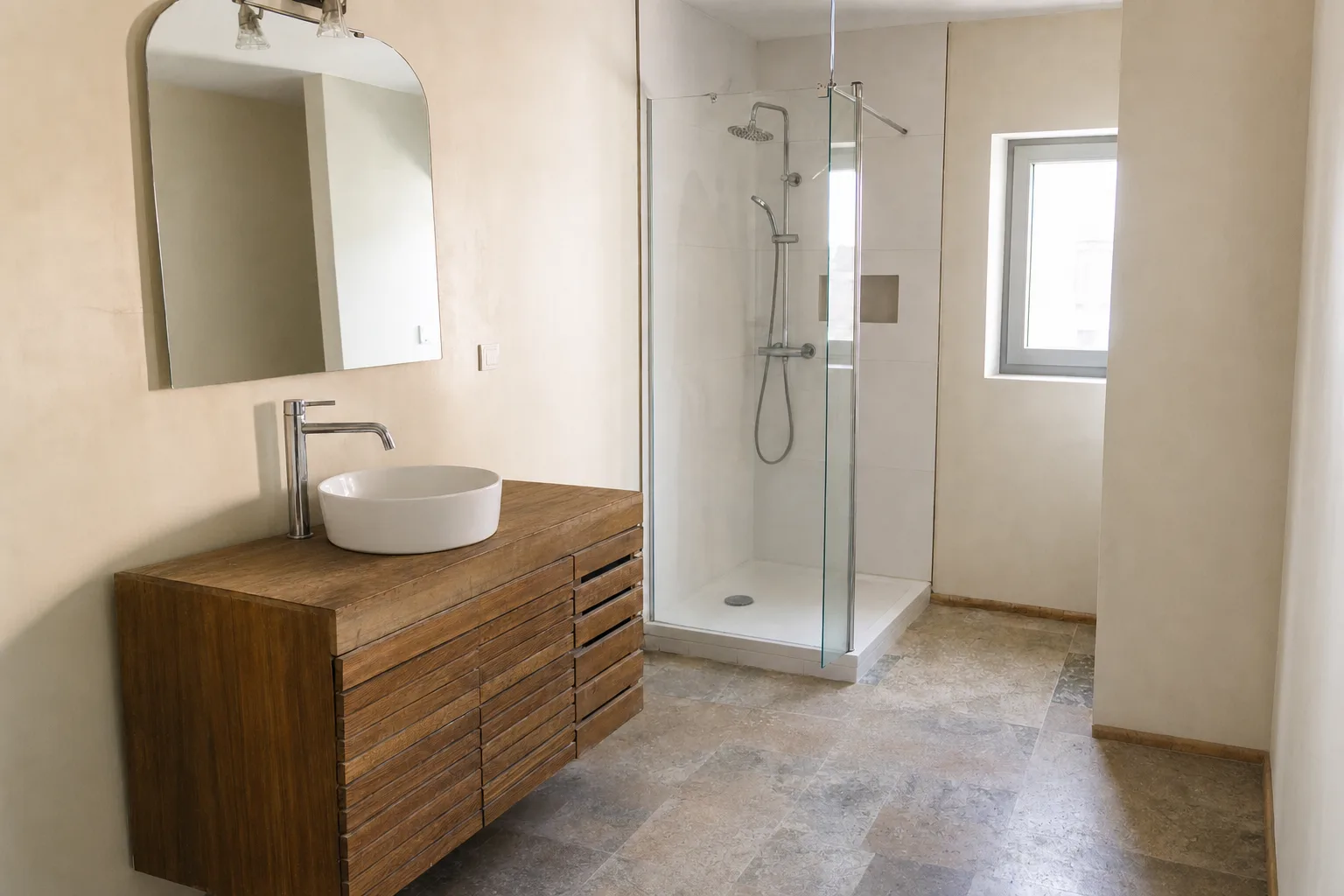
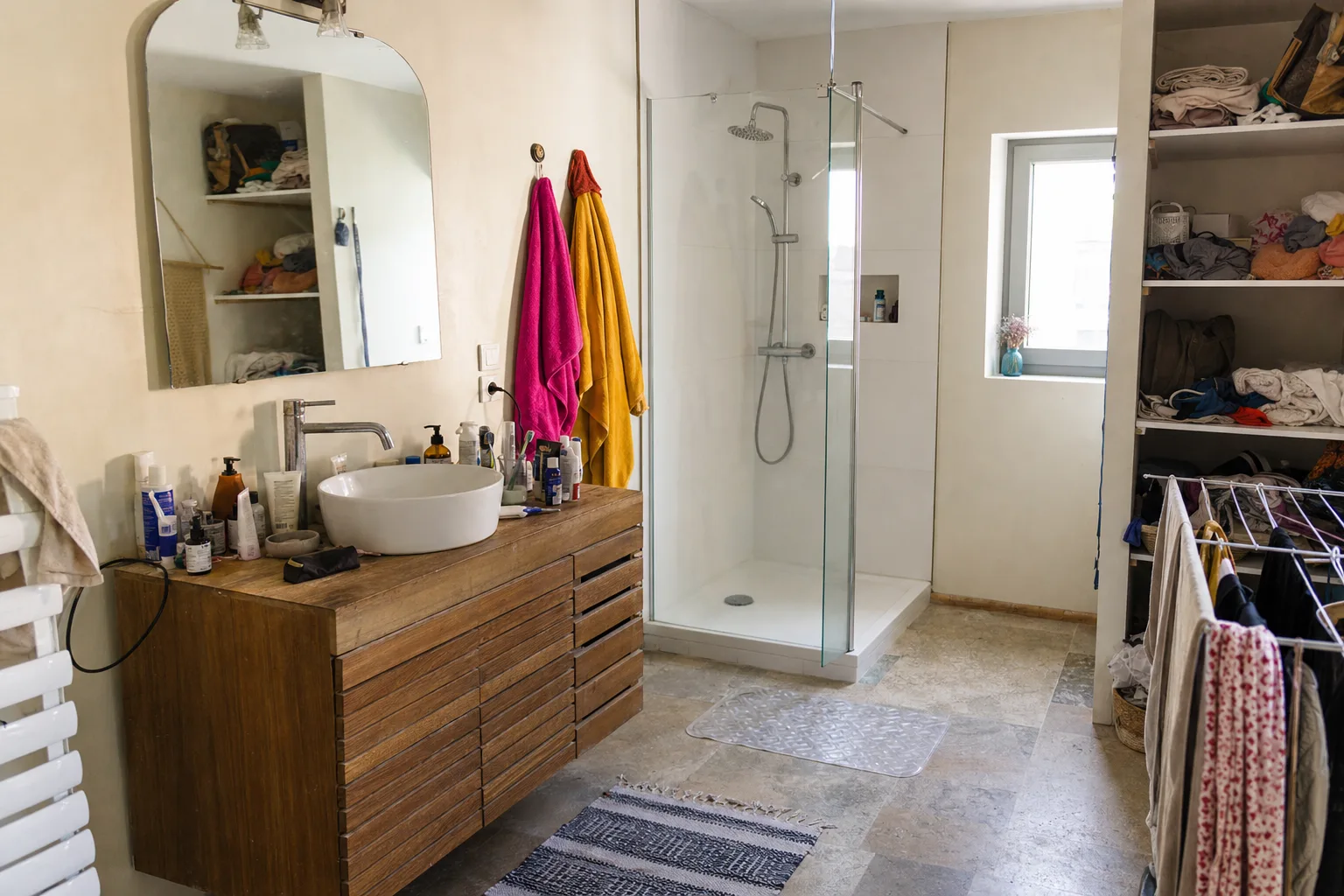
Every photo below is one real room, three ways: as it was, decluttered, and furnished in the style. Use the toggle to compare.
The Japandi living room
Bring the eye down: a low sofa in oat or greige linen, a low wooden coffee table, floor cushions if the room allows. Mix the woods on purpose — a pale floor with a dark-stained bench, or the reverse — and stop furnishing earlier than feels natural. One paper lantern, one sculptural plant, one handmade bowl on the table. The emptiness you leave is the style.
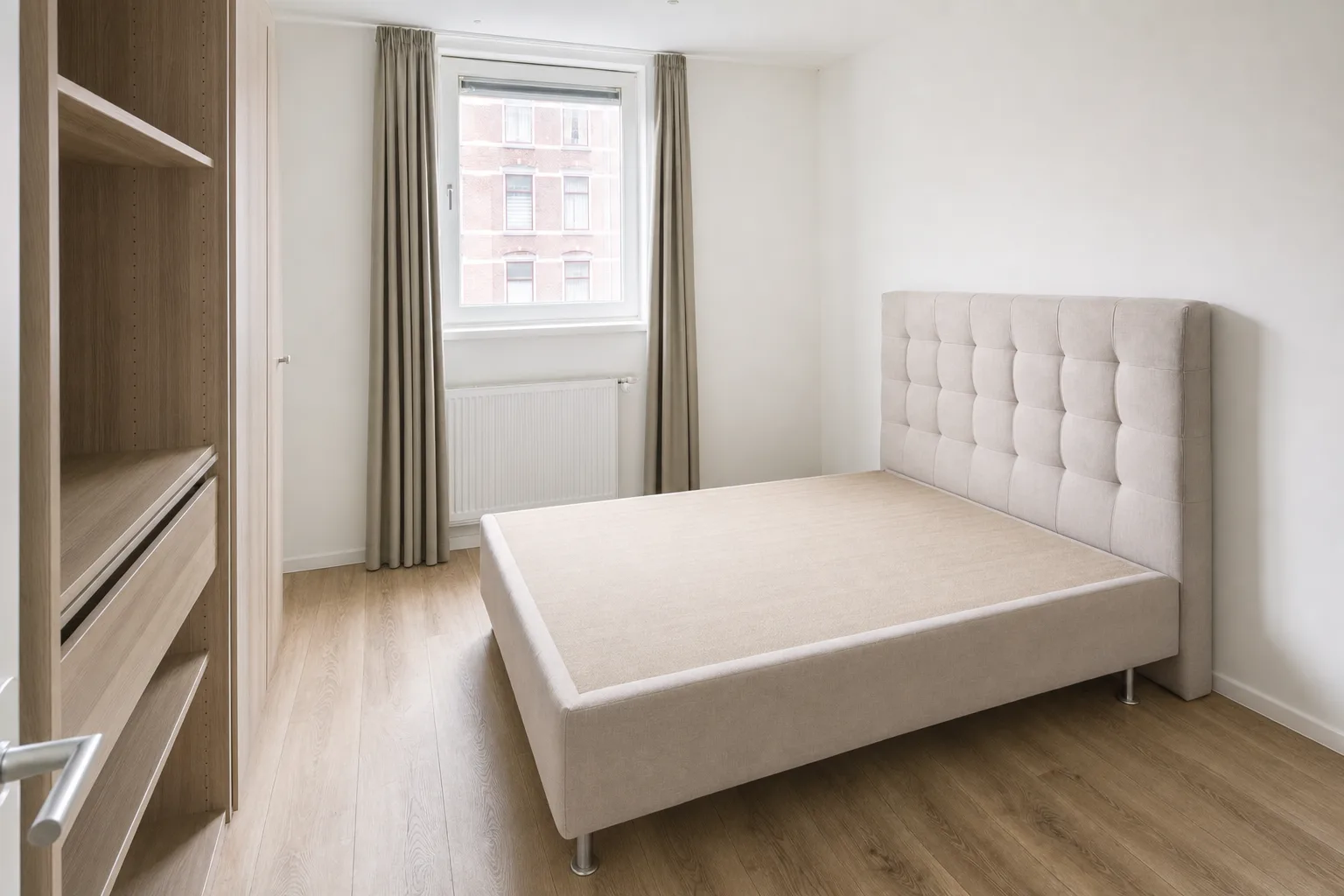
The Japandi bedroom
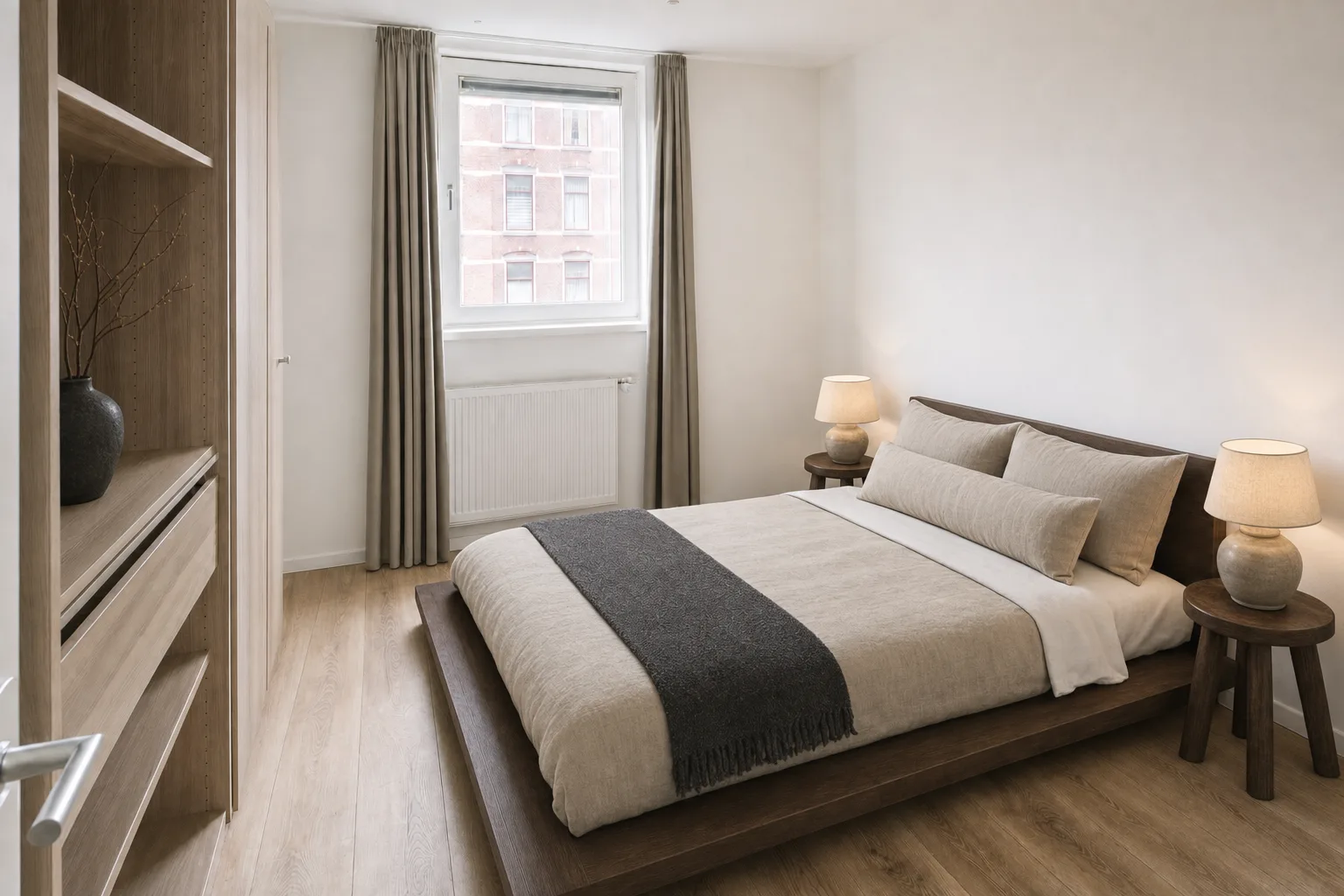
The bed sits low — a platform frame in light or dark wood — dressed in washed linen in oat and white with one dark throw. Nightstands shrink to small stools or benches, the lamp is paper or ceramic, and the walls stay almost bare. If you keep one decorative act, make it a single branch in a heavy vase. Everything else leaves the room.
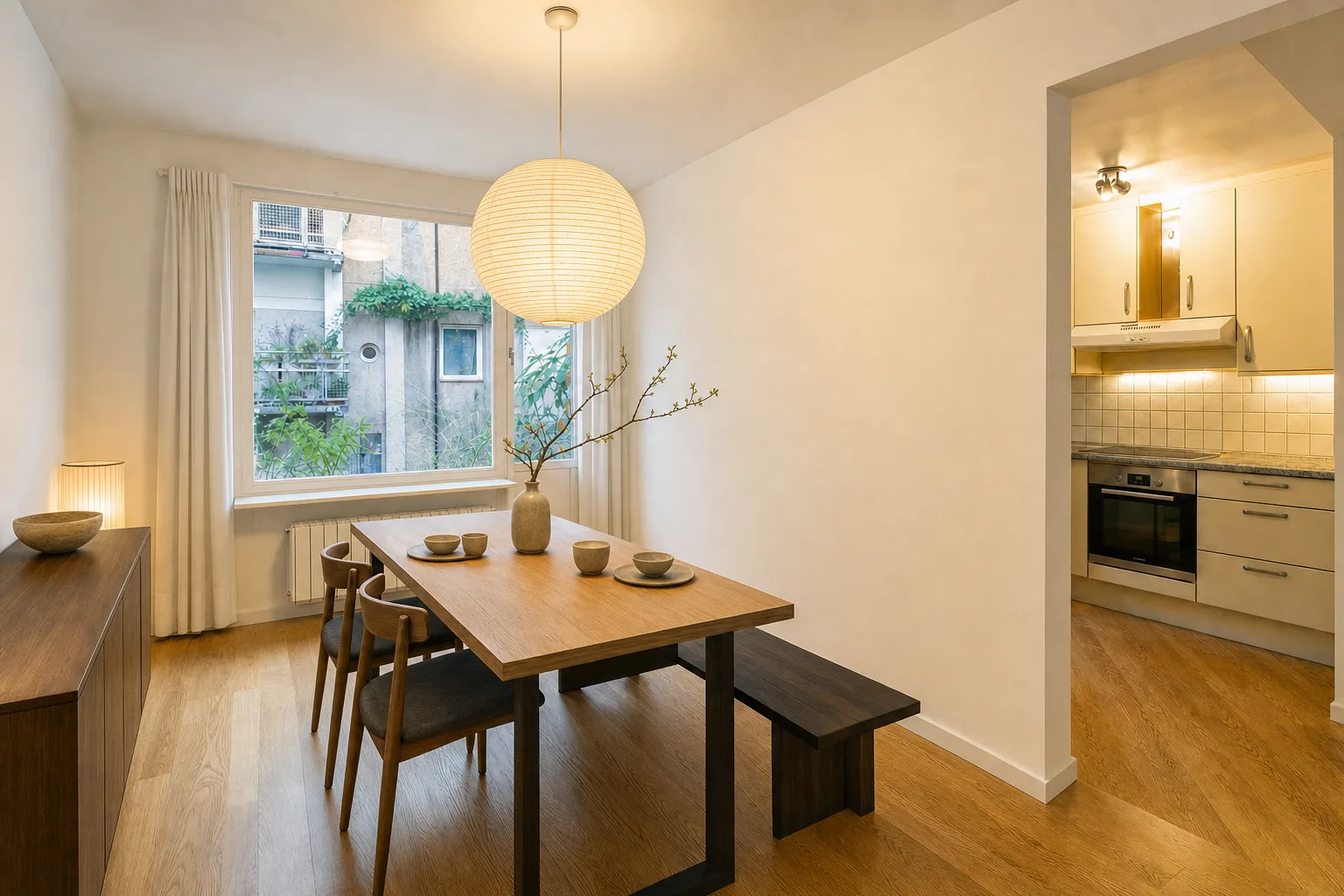
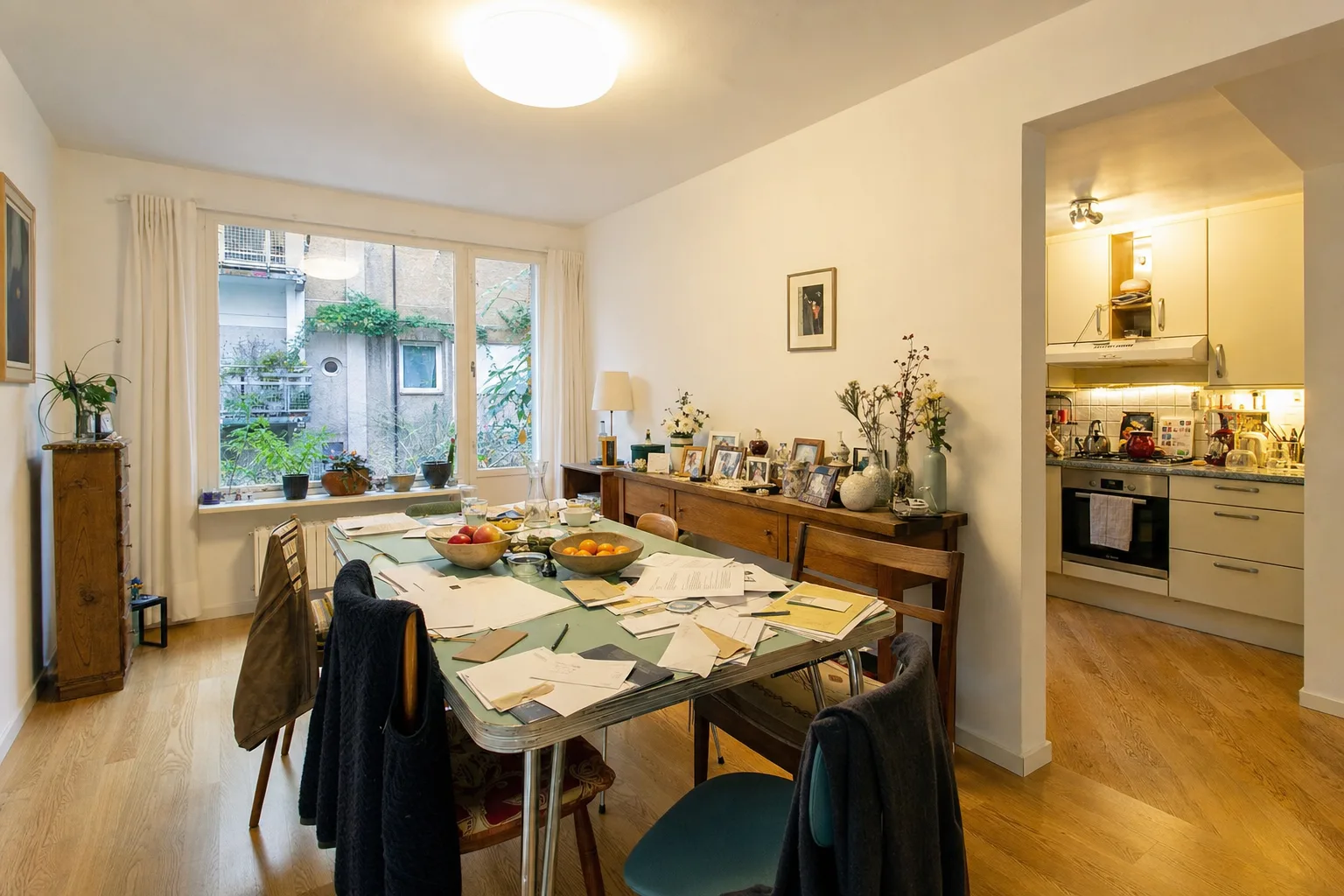
The Japandi dining room
A solid wood table with visible grain — light top, dark legs works beautifully — surrounded by low-backed chairs or a bench on one side. Set it with unglazed ceramics and linen, hang one paper pendant low, and resist the urge for a centerpiece beyond a bowl or branch. The table's emptiness between meals is not a gap to fill; it is the point.
The Japandi home office
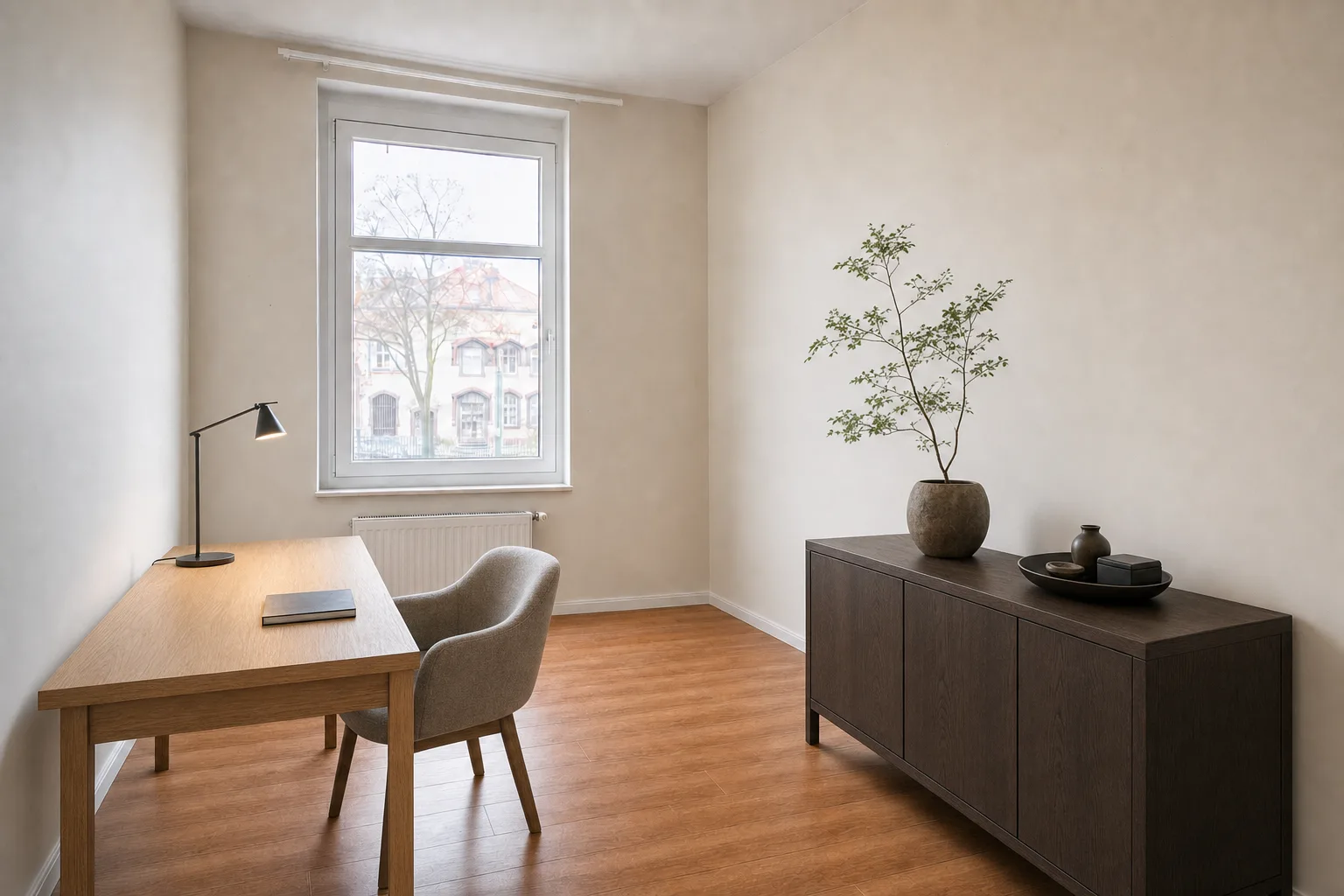
A Japandi desk is a ritual space: a clean wooden surface holding only the work of the day, a comfortable low-profile chair, and closed storage swallowing everything else. Add a paper task lamp, one plant with a strong silhouette, and a dark tray that collects the small clutter. When the work ends, the desk returns to empty — that reset is the style working.
The Japandi bathroom
Borrow from the onsen: warm stone or microcement, wood wherever the humidity allows it, and ritual over product. A wooden stool and basin, towels in oat and charcoal folded in calm stacks, one unglazed ceramic dish for the soap, and every bottle out of sight. Light it low and warm, add a single branch or a plant that likes steam, and let the emptiness make the room feel twice its size.
See your own home in Japandi
Upload a few photos of your rooms and describe the Japandi look once — Twelve Lumens declutters your rooms and refurnishes them in that style in minutes, architecture untouched, originals always kept. The first five images are free, no credit card.
Upload your photos
Straight from your phone — any room, exactly as it looks today.
Declutter, then restyle
One click clears the clutter; another furnishes the room in this style. Walls, windows and floors stay exactly where they are.
Compare and share
Original and restyled side by side, in high resolution — download them or share a before-and-after page.
Japandi vs. similar styles
Japandi vs. Scandinavian
Scandinavian is the lighter, cosier parent: pale woods, hygge, more textiles. Japandi darkens the palette, lowers the furniture and empties the room further — less comfort-by-abundance, more calm-by-omission.
Japandi vs. minimalism
Minimalism reduces toward white, hard and empty; Japandi reduces toward warm, textured and handmade. Both own few things — but in Japandi every remaining object is tactile and imperfect, never clinical.
Japandi vs. wabi-sabi
Wabi-sabi is a philosophy — beauty in imperfection and age — not a furniture style. Japandi borrows its eye (raw ceramics, patina, asymmetry) and pairs it with Scandinavian function so the room stays practical to live in.
Japandi — common questions
What exactly is Japandi style?
A hybrid of Japanese and Scandinavian design: low wooden furniture, a warm neutral palette grounded by dark browns and blacks, natural textiles, handmade ceramics, and a lot of deliberate empty space. It keeps Scandinavian livability but trades the cosiness for Japanese calm and restraint.
What colors make a room Japandi?
Warm neutrals — off-white, oat, clay, tan — grounded by dark brown, charcoal and ink black. No bright accents at all: the contrast between light and dark woods does the work color would normally do, and textiles stay within the same earth range.
What is the difference between Japandi and Scandinavian design?
Palette and posture. Scandinavian stays pale and adds warmth through textiles and lamplight; Japandi mixes light woods with dark ones, sits everything lower to the floor, and strips the room further back. A Scandinavian room invites you to curl up; a Japandi room invites you to exhale.
How do I make my room Japandi without renovating?
Edit harder than feels comfortable, lower the furniture where you can, mix a dark wood piece into a light room, swap bright textiles for oat and charcoal linen, and replace clusters of decor with one handmade object. To preview it first, upload a photo to Twelve Lumens, describe the Japandi look once, and see your exact room in it — the first five images are free.
Is Japandi still popular in 2026?
Yes — it has moved from trend to established style, the way Scandinavian did before it. Its ingredients — natural materials, calm palettes, fewer but better objects — are exactly where interiors in general have been heading, so it ages well rather than dating.
More styles to explore
Scandinavian
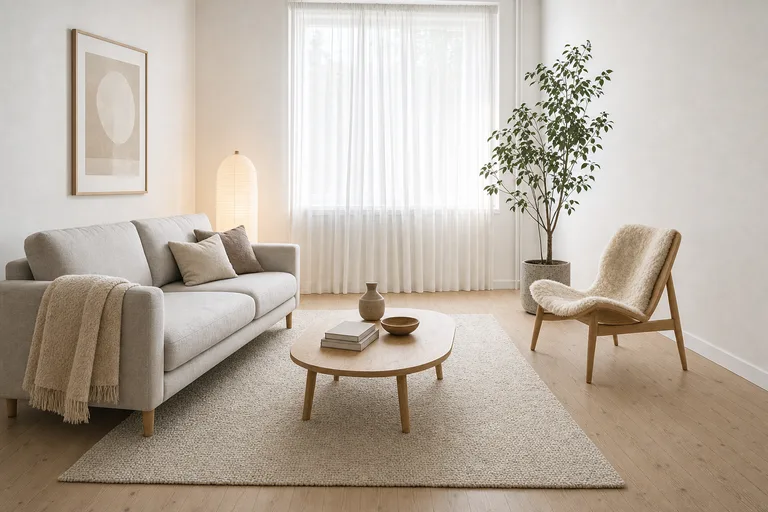
Pale wood, warm white and soft texture — calm, bright rooms built for real life.
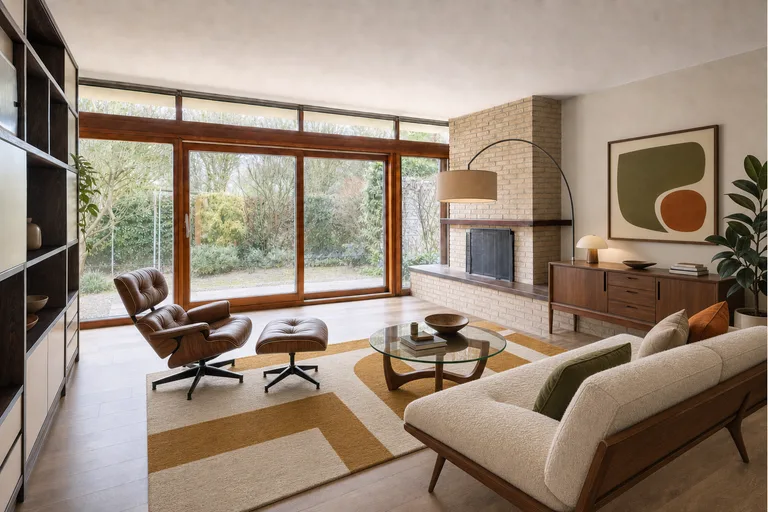
Mid-Century Modern
Walnut, tapered legs and confident color — the 1950s look that never left.
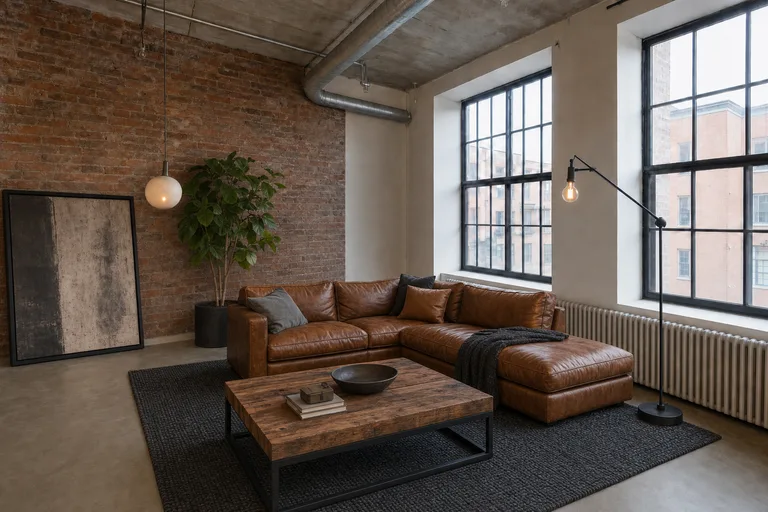
Industrial
Brick, steel and leather — raw materials made warm enough to live in.
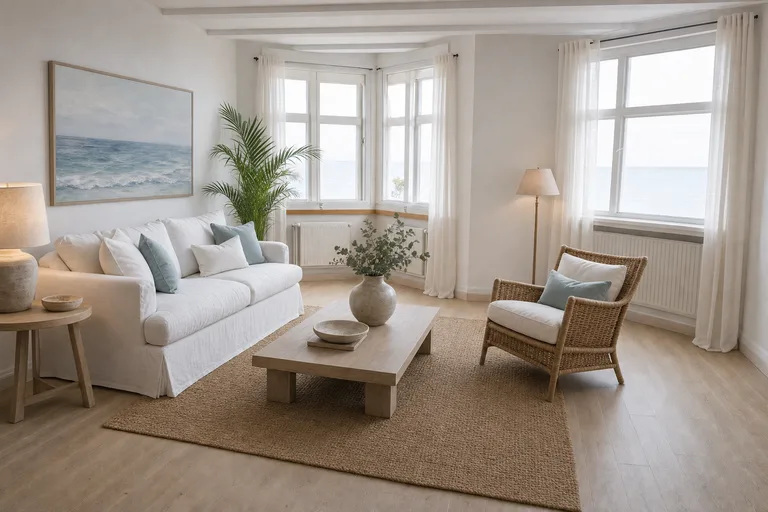
Coastal
Sea light, sand tones and washed linen — the beach-house feel, without the kitsch.
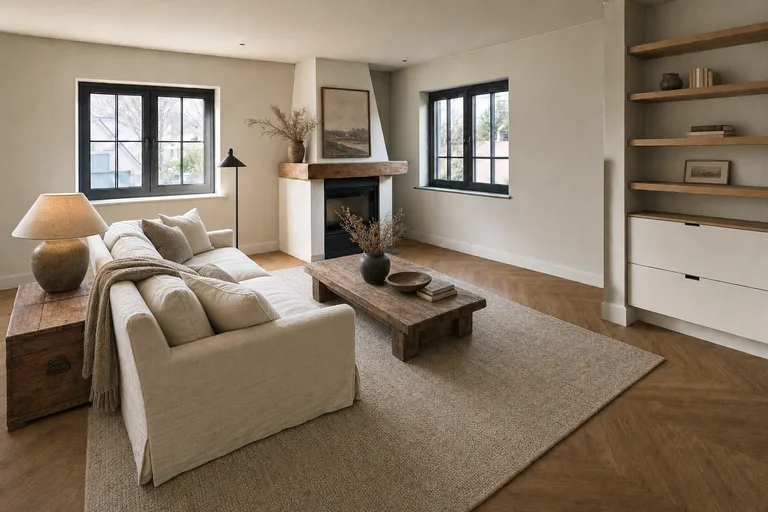
Modern Farmhouse
Clean lines meet rustic warmth — white walls, aged wood and black accents.
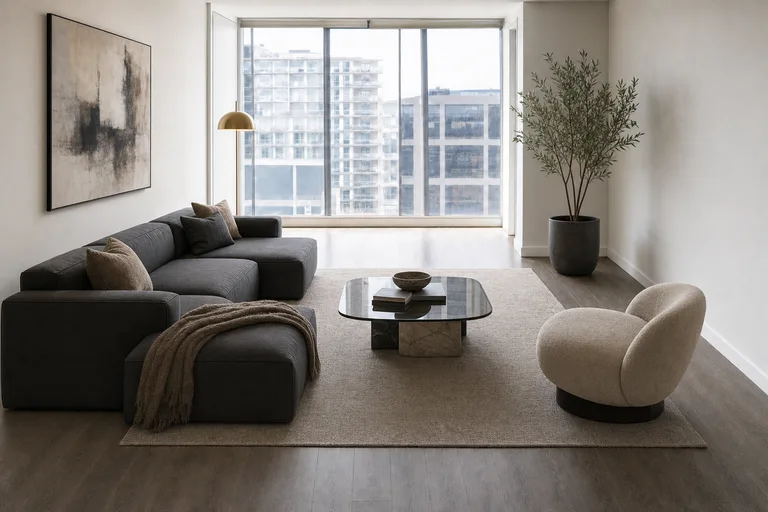
Modern
Clean lines, charcoal and brass — the current city look, warm instead of cold.
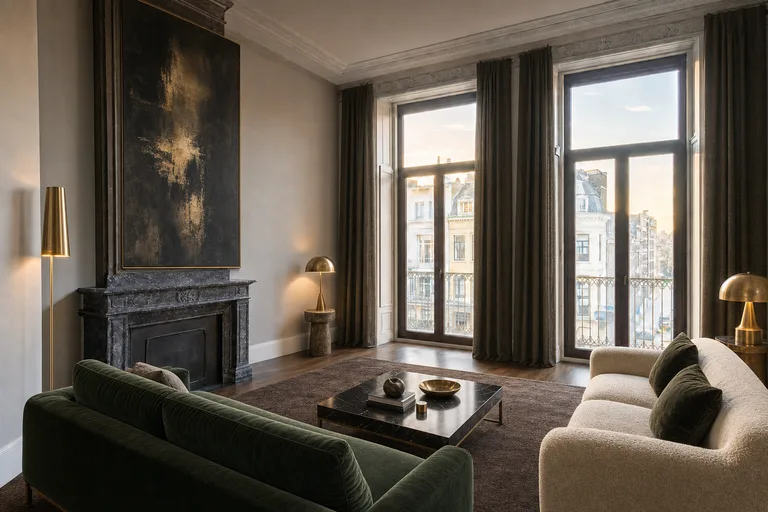
Luxury
Travertine, velvet and brass — editorial restraint where the materials carry the story.
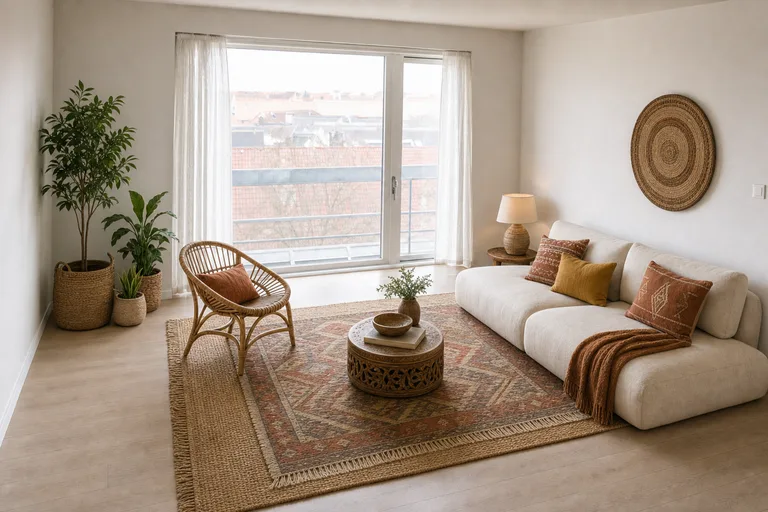
Boho
Rattan, terracotta and layered textiles — the collected look, curated instead of chaotic.
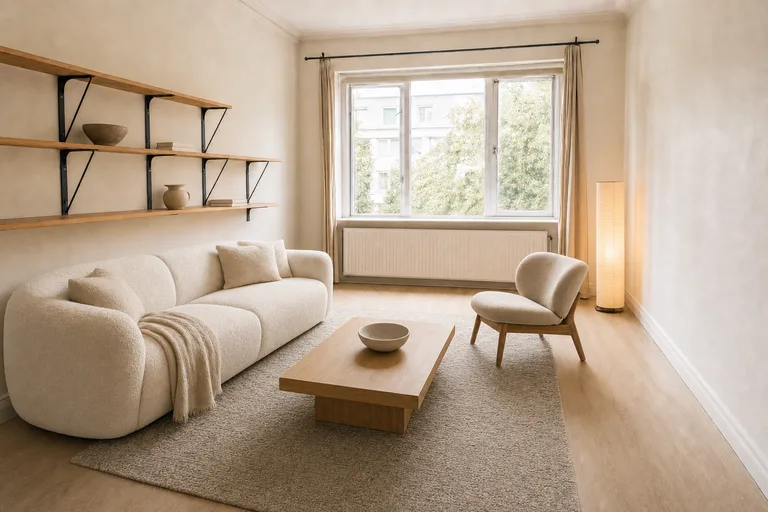
Minimalist
Fewer, better things in a calm shell: warm whites, clean lines and surfaces that stay empty.
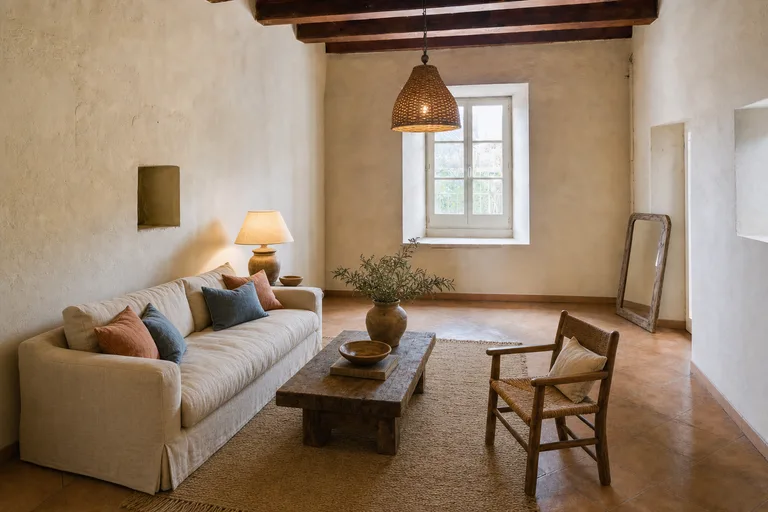
Mediterranean
Sun-baked plaster, terracotta and olive green: the warmth of the south, without the souvenirs.
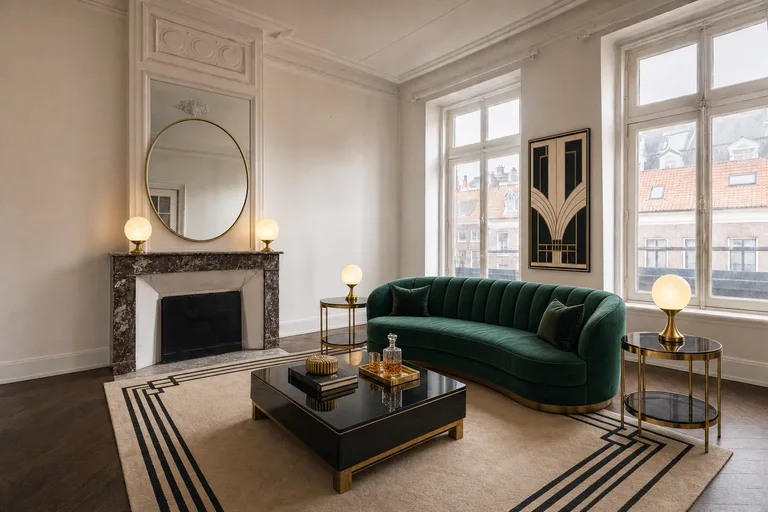
Art Deco
Geometry, brass and deep velvet: the glamour of the 1920s, disciplined for a real home.
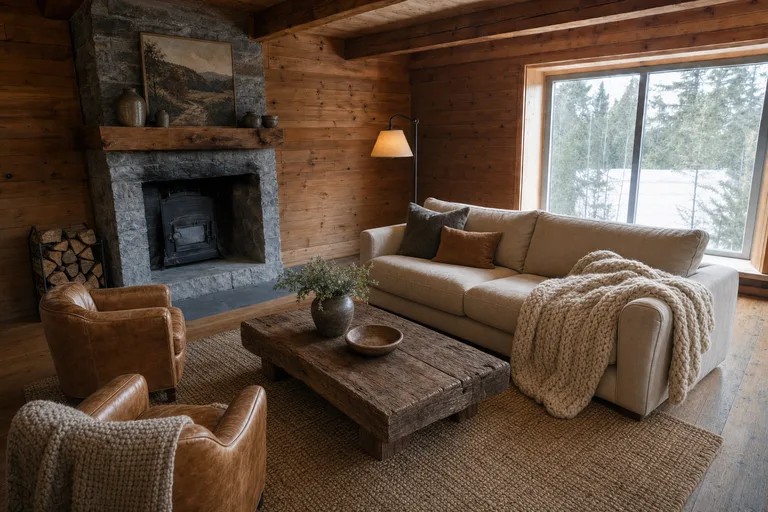
Rustic
Heavy timber, stone and wrought iron: raw materials doing the talking, without the cabin kitsch.
Your home, in Japandi
Upload your photos and see every room decluttered and restyled in minutes — the first five images are free, no credit card, and your originals are always kept.