Mediterranean interior design
Whitewashed walls, terracotta floors, olive greens and the blue of the sea, held together by rough texture and warm light. This guide shows the style room by room, and then on your own photos.
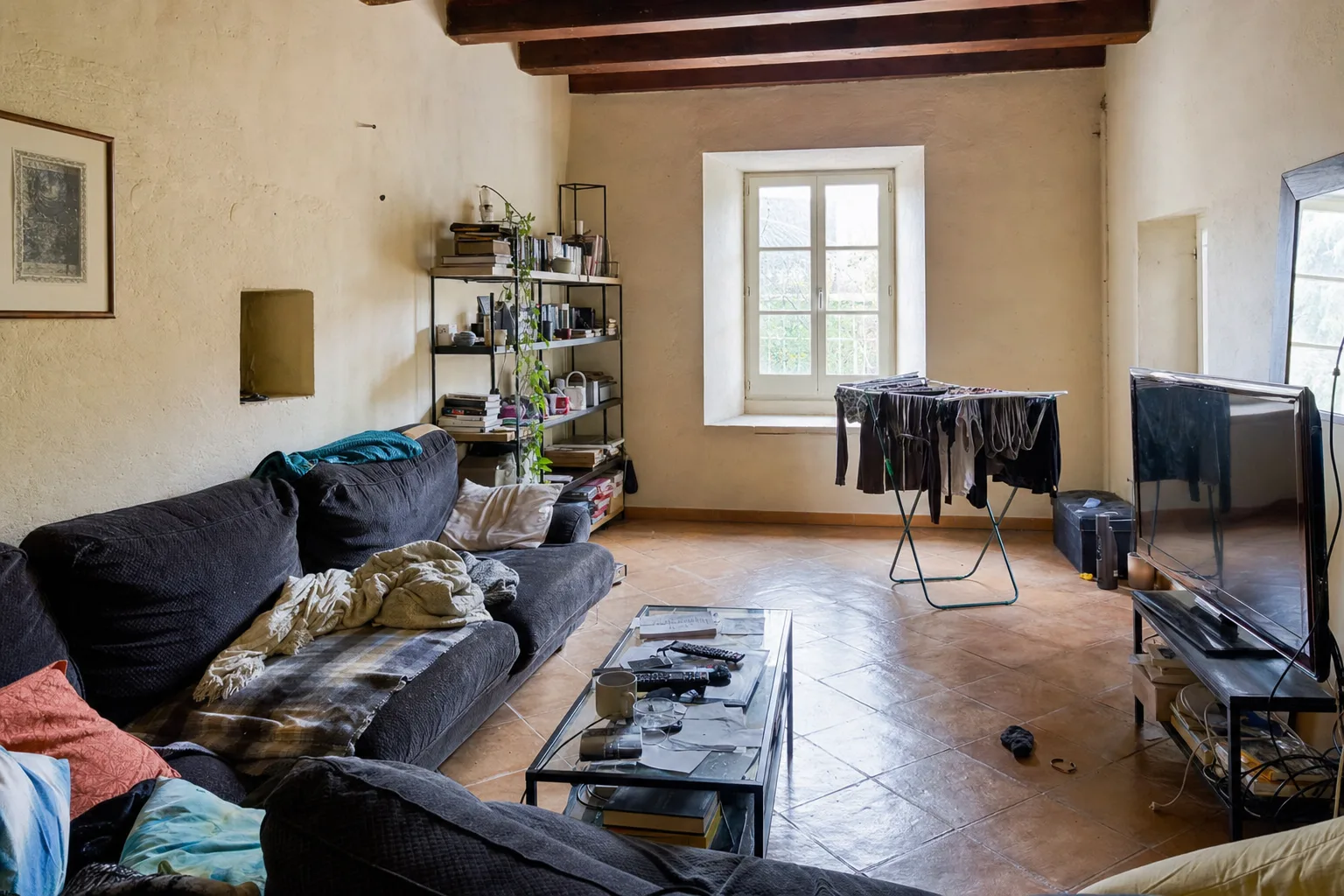
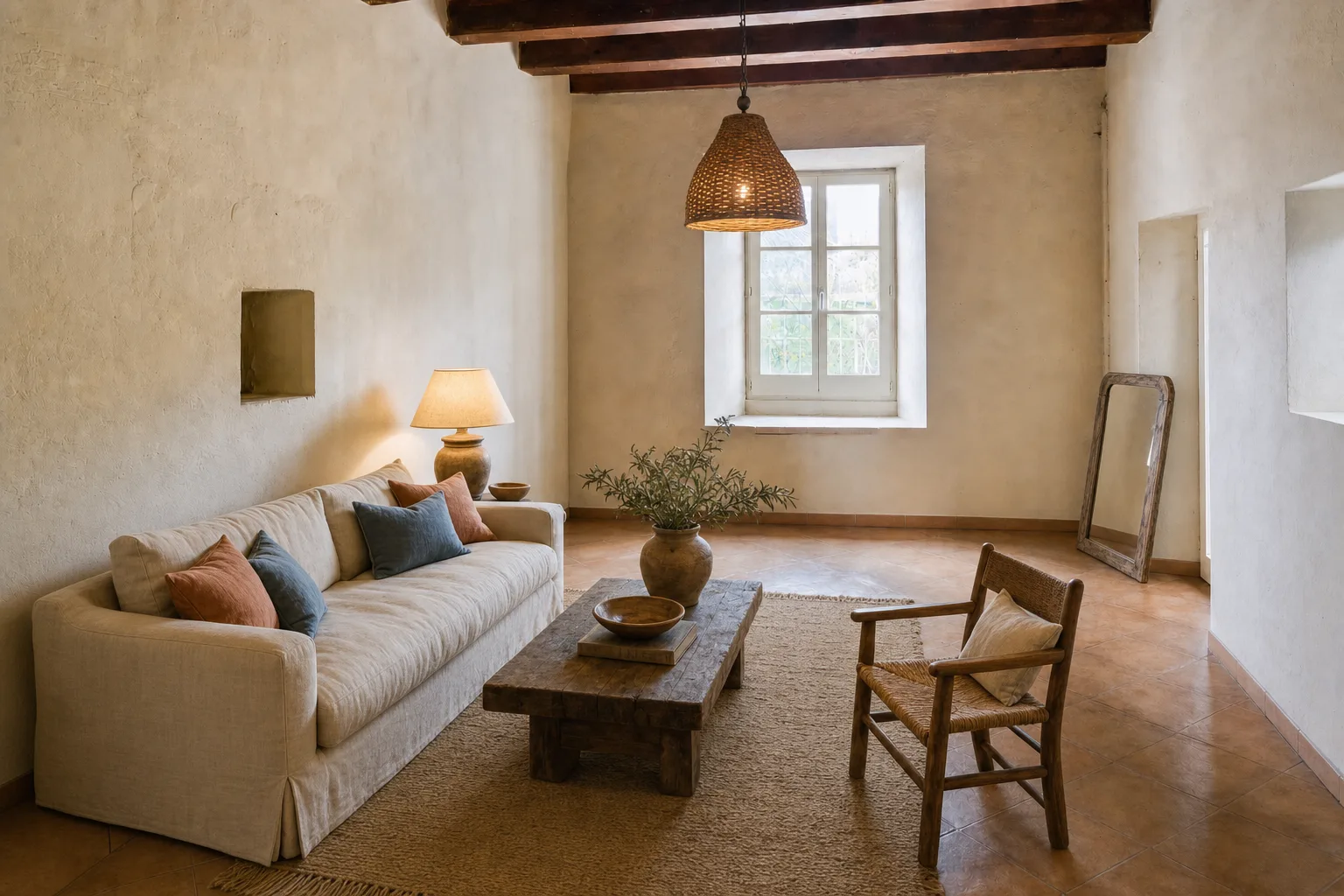 OriginalIn this style
What is Mediterranean style?
Mediterranean style brings the architecture of southern Europe indoors: rough plaster walls in warm white, floors of terracotta or pale stone, dark or honey-toned wood, and a palette borrowed from the landscape, olive, clay, sand and sea blue. Furniture is simple and solid, textiles are linen and cotton, and decoration leans on ceramics, woven fibres and plants that would survive a courtyard.
What it is not: a beach-bar theme. No fishing nets, no anchors, no rows of shells. The real style is architectural and quite restrained; its richness comes from texture and material, not from objects. A Mediterranean room should feel like it has been warmed by the sun for decades, with thick walls, softened edges, and things chosen slowly, some of them clearly old.
The elements of Mediterranean style
Color & light
- Warm whitewash and sand as the base
- Terracotta and clay as the grounding warmth
- Olive and sage greens from the landscape
- Sea blue in small, deliberate doses
- Warm, low light in the evening; shutters by day
Materials
- Rough or lime-washed plaster walls
- Terracotta tiles or pale stone floors
- Honey-toned and dark waxed woods
- Linen, cotton and wool, never shiny
- Hand-glazed ceramics and woven fibres
Furniture
- Simple, solid shapes with real weight
- Wooden tables that show their age
- Rush, rattan and rope seating
- Built-in benches and niches where they exist
- Nothing glossy, nothing fragile
Details
- Hand-painted or hand-glazed pottery
- Olive branches or citrus in a heavy jug
- Woven baskets doing real storage work
- One aged mirror or weathered artwork
- Plants that belong to the climate: olive, fig, herbs
The Mediterranean palette
Mediterranean style, room by room
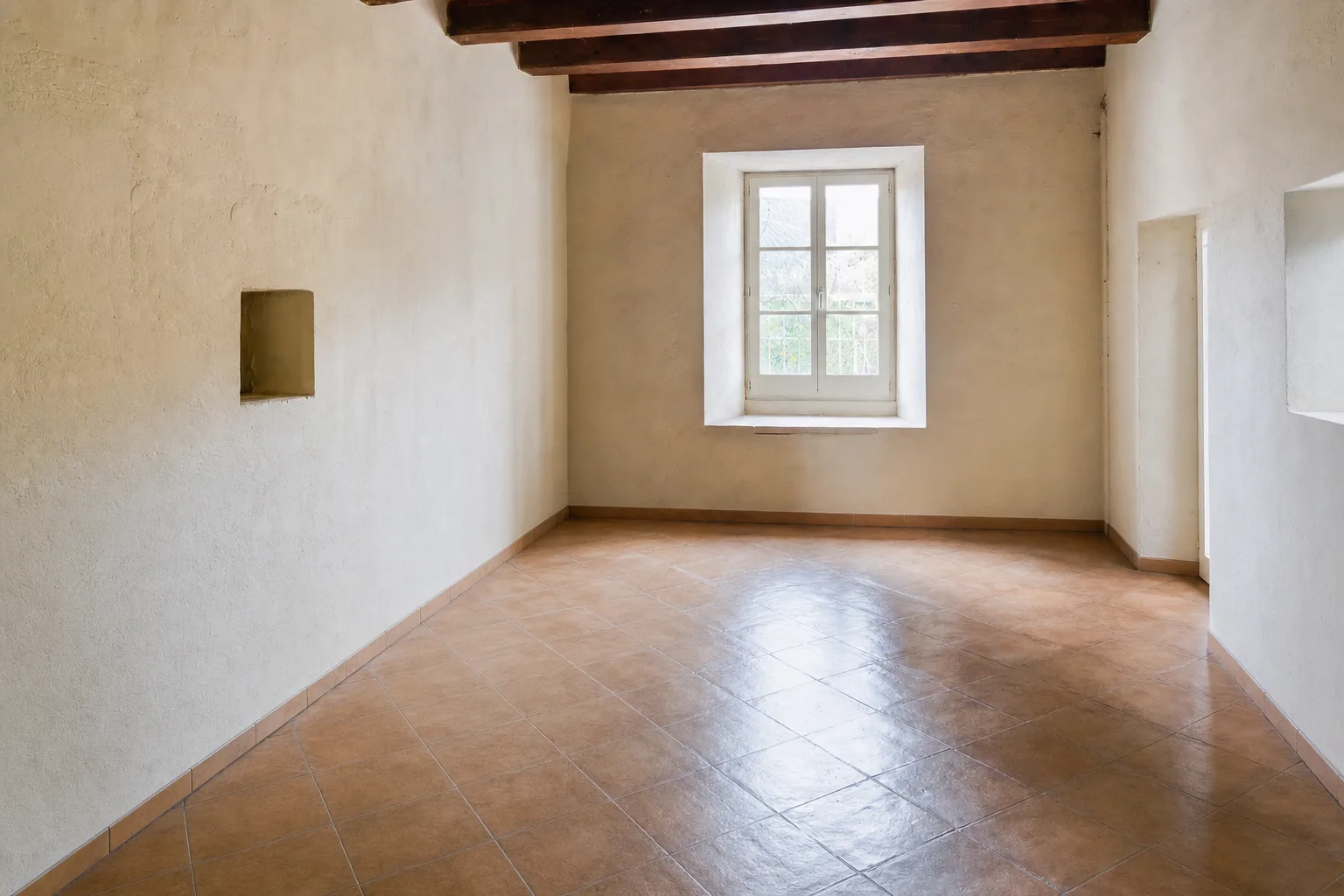
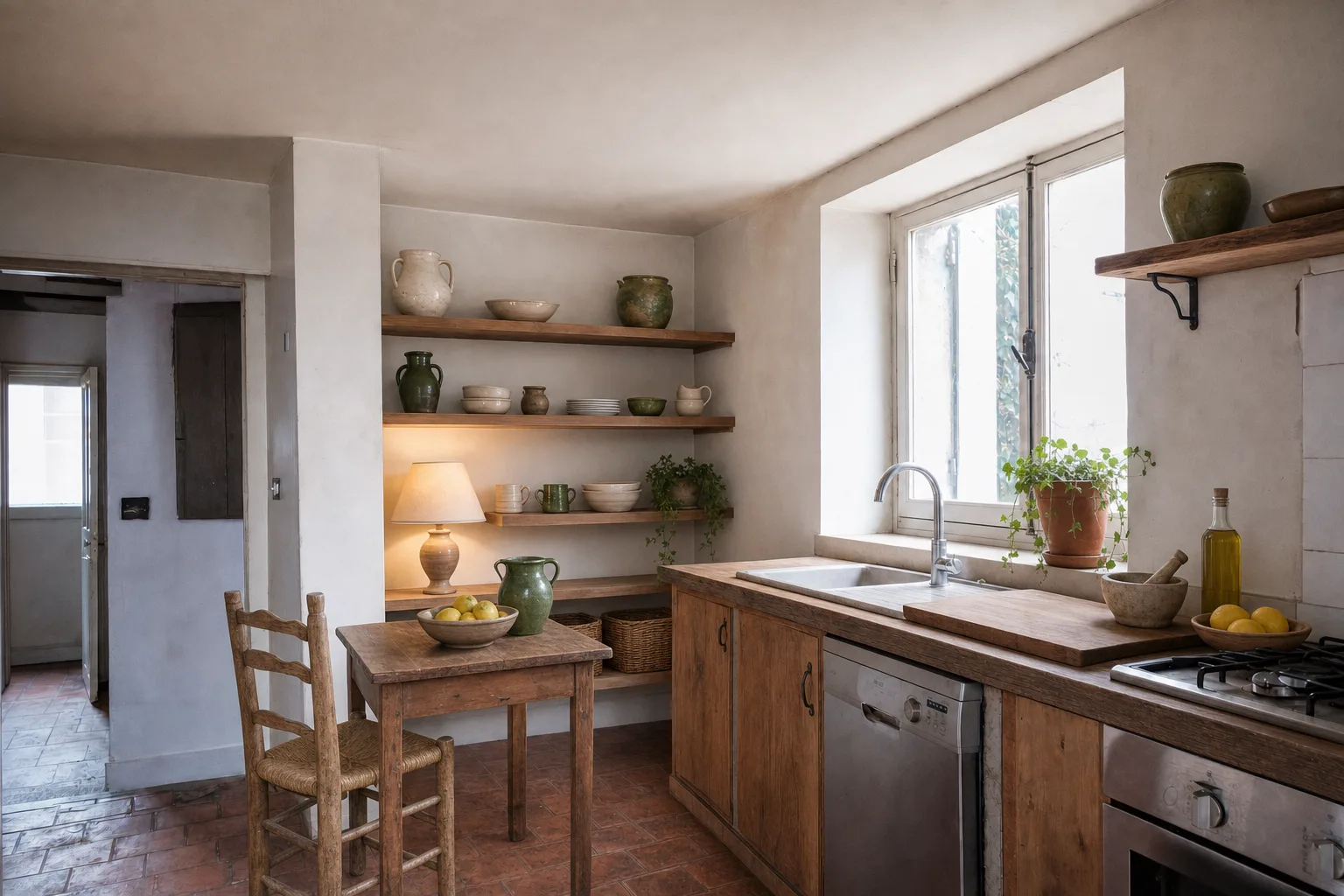
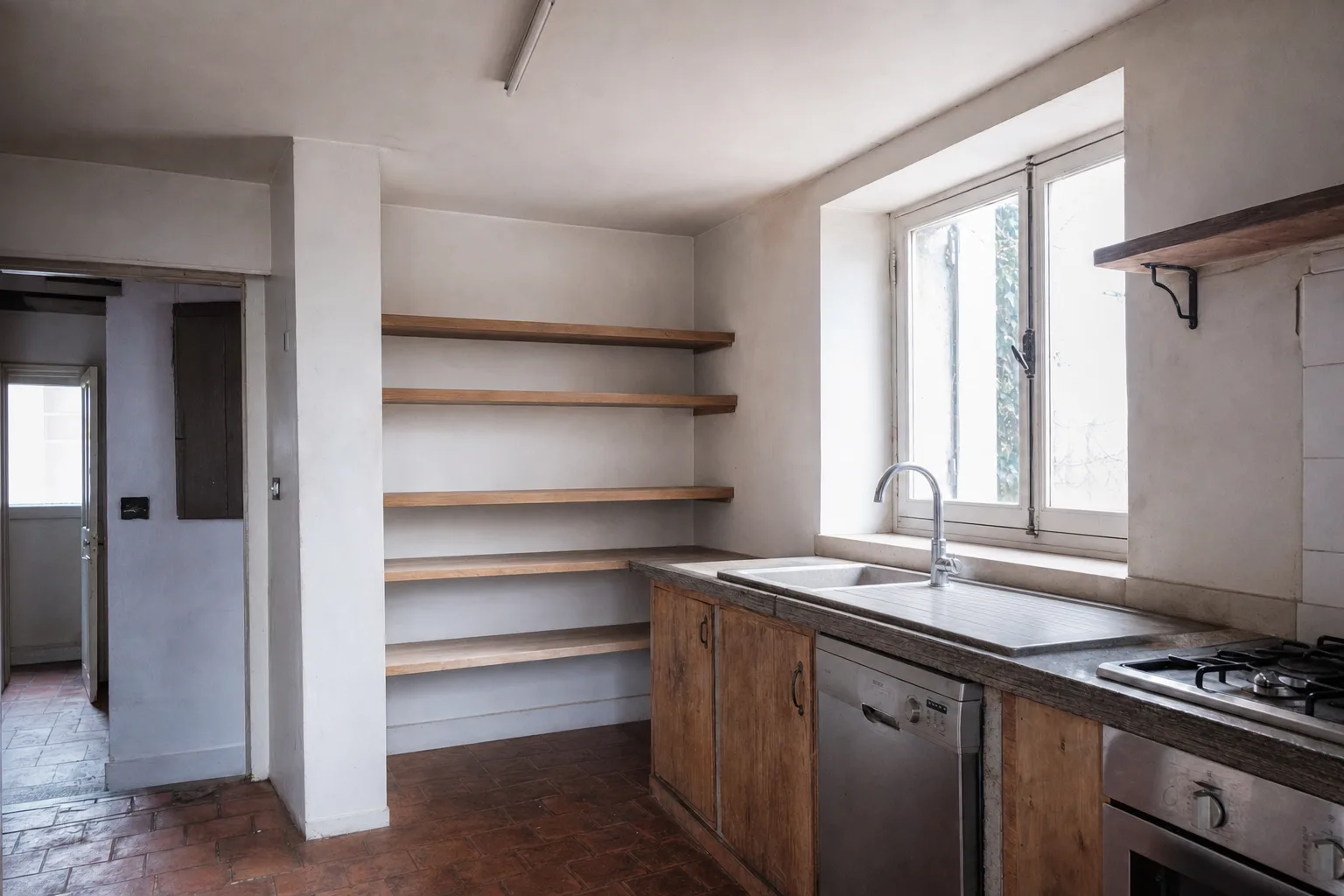
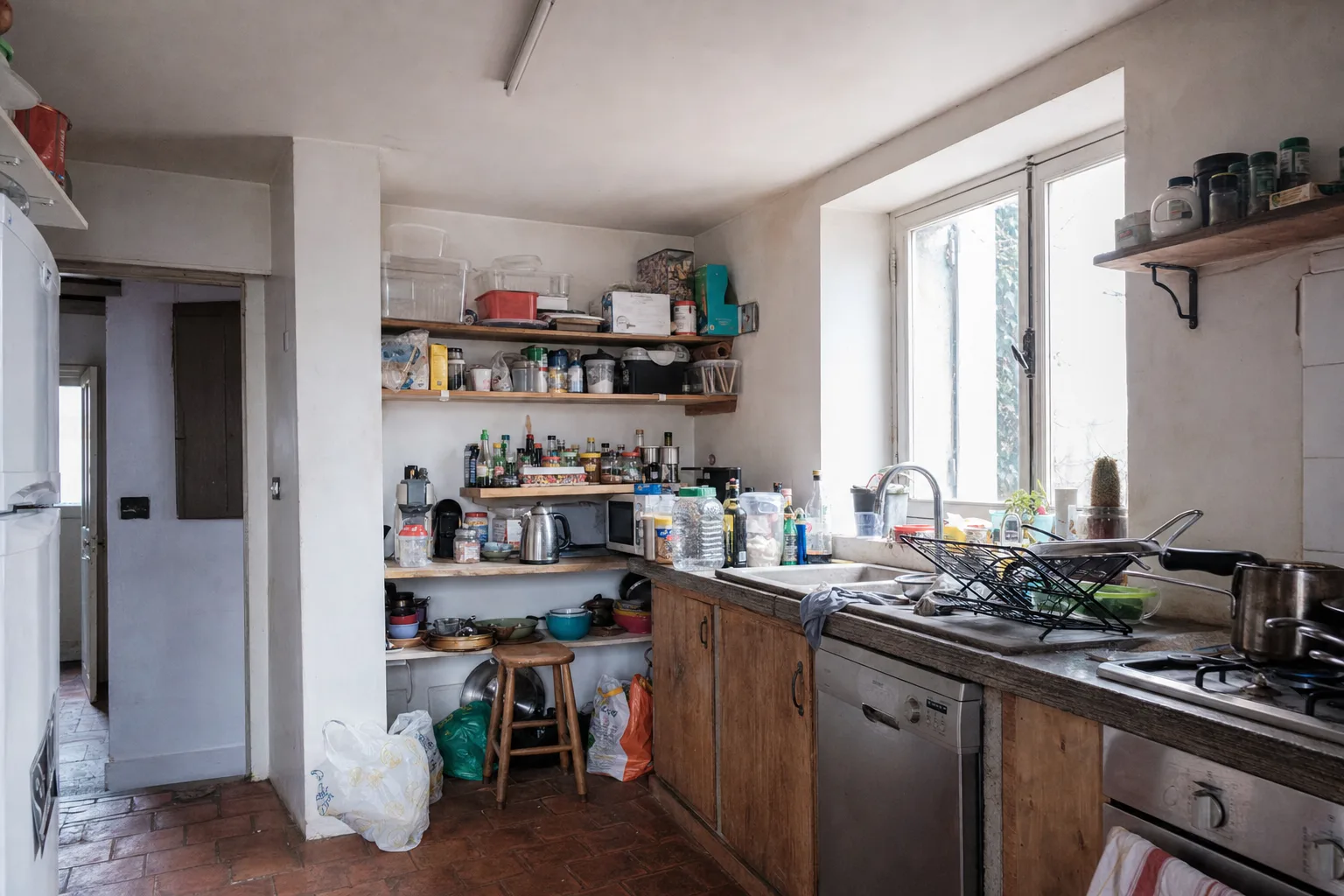
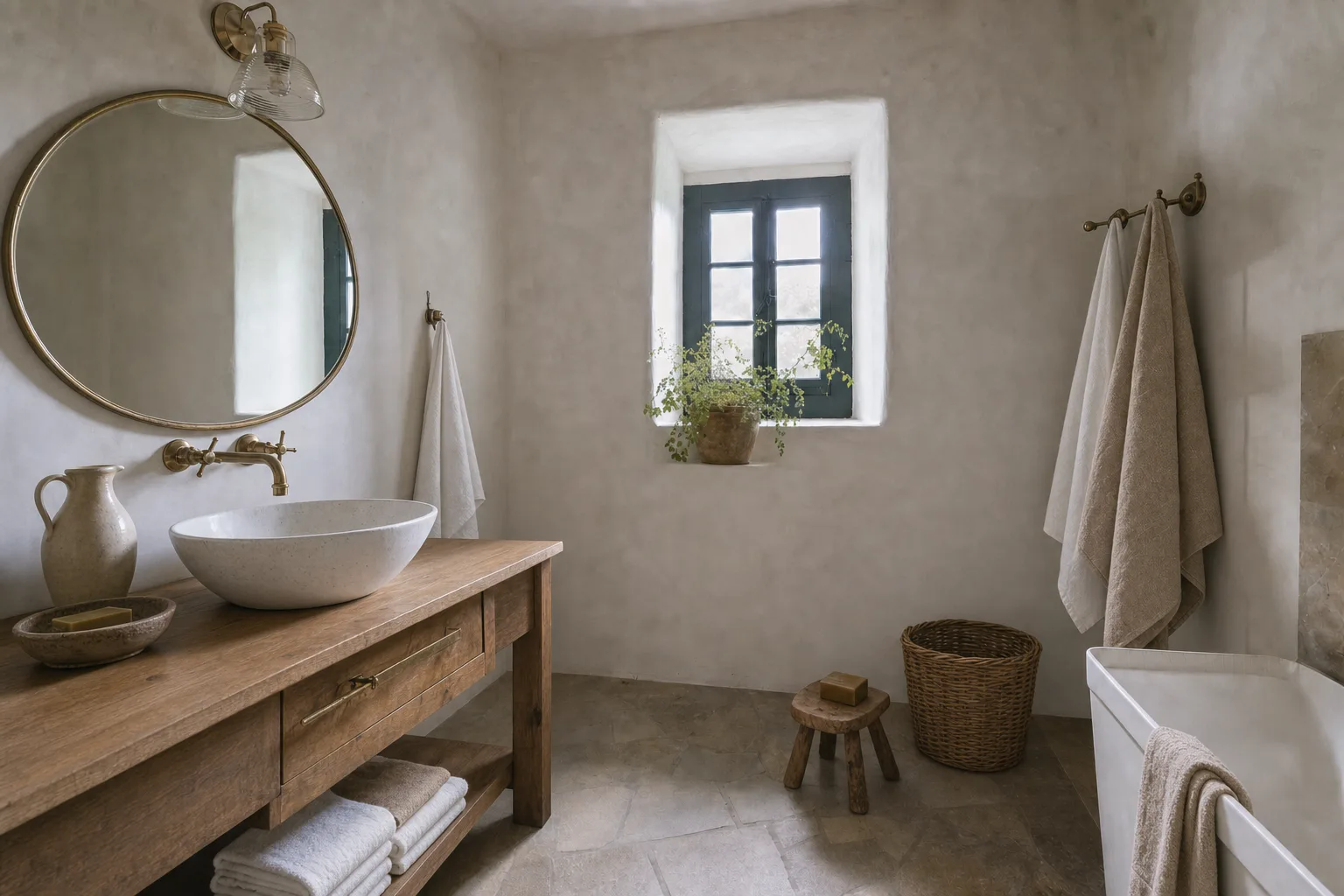
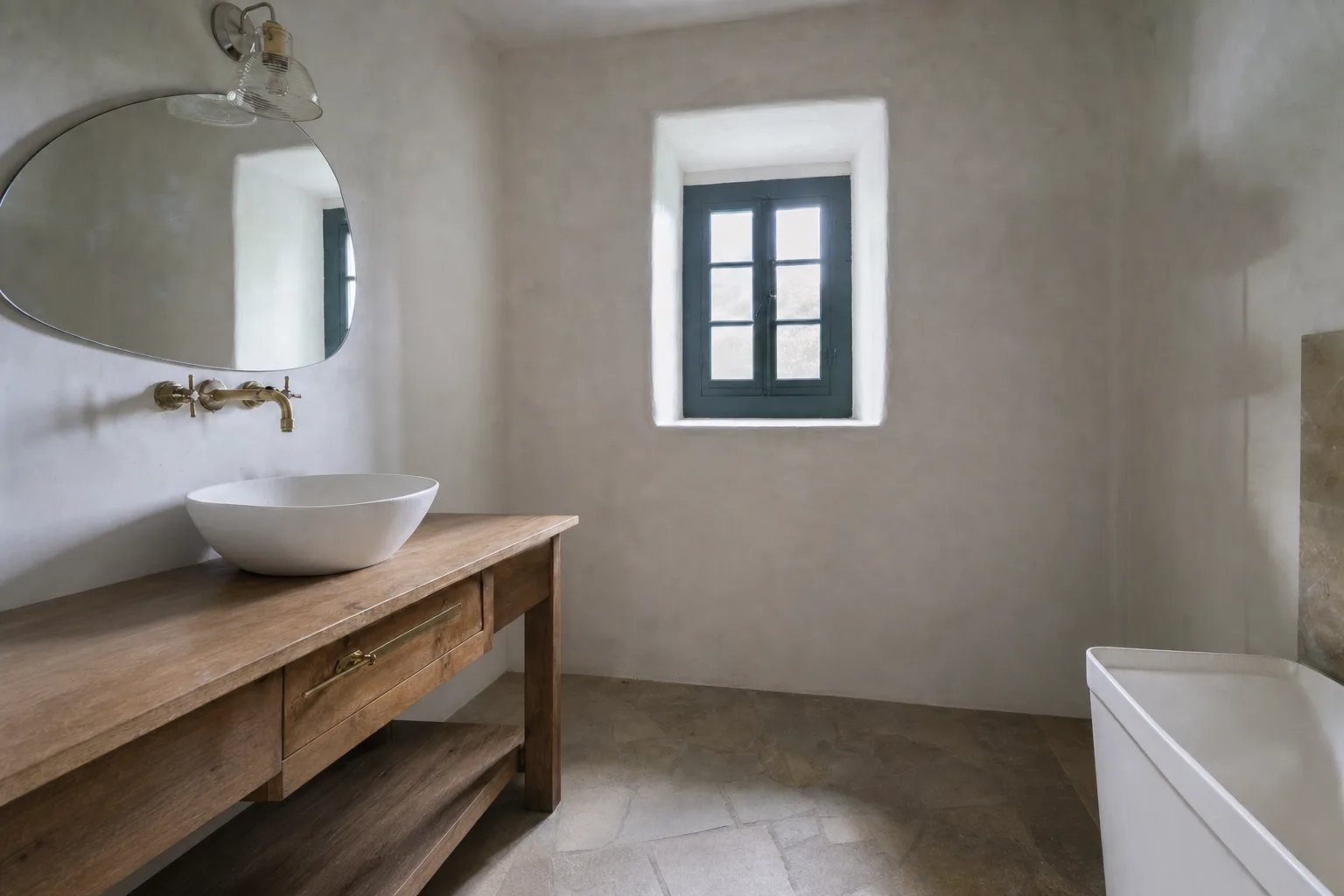
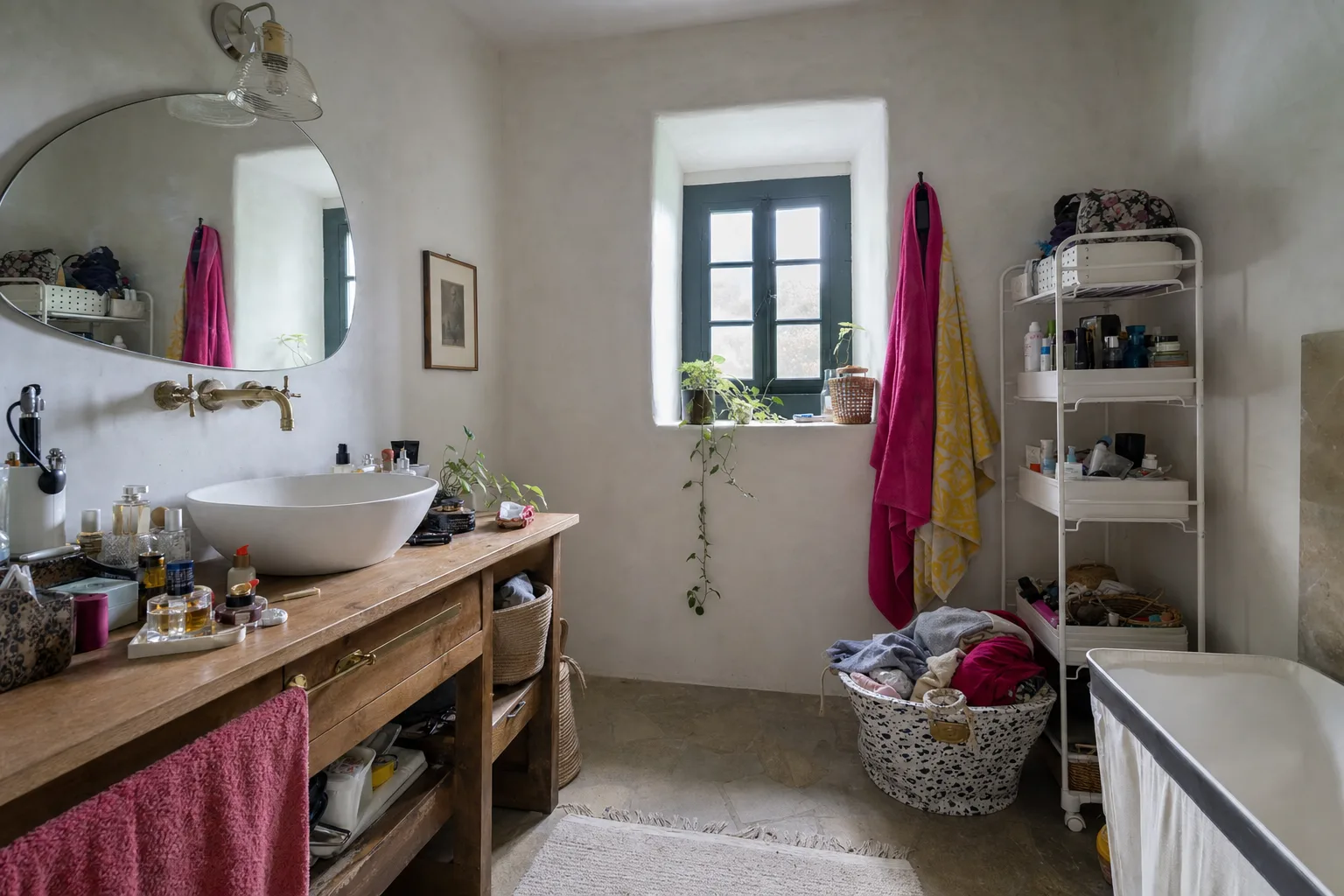
Every photo below is one real room, three ways: as it was, decluttered, and furnished in the style. Use the toggle to compare.
The Mediterranean living room
Keep the shell pale and rough: warm white walls, a floor of terracotta or stone left visible. Then furnish with weight: a deep sofa in undyed linen, a heavy wooden coffee table, a rush-seated armchair, a wool or jute rug. Add clay pots, one olive branch in a jug, and cushions in terracotta and faded blue. Skip the maritime props entirely; the palette and the texture carry the sea without a single anchor.
The Mediterranean dining room
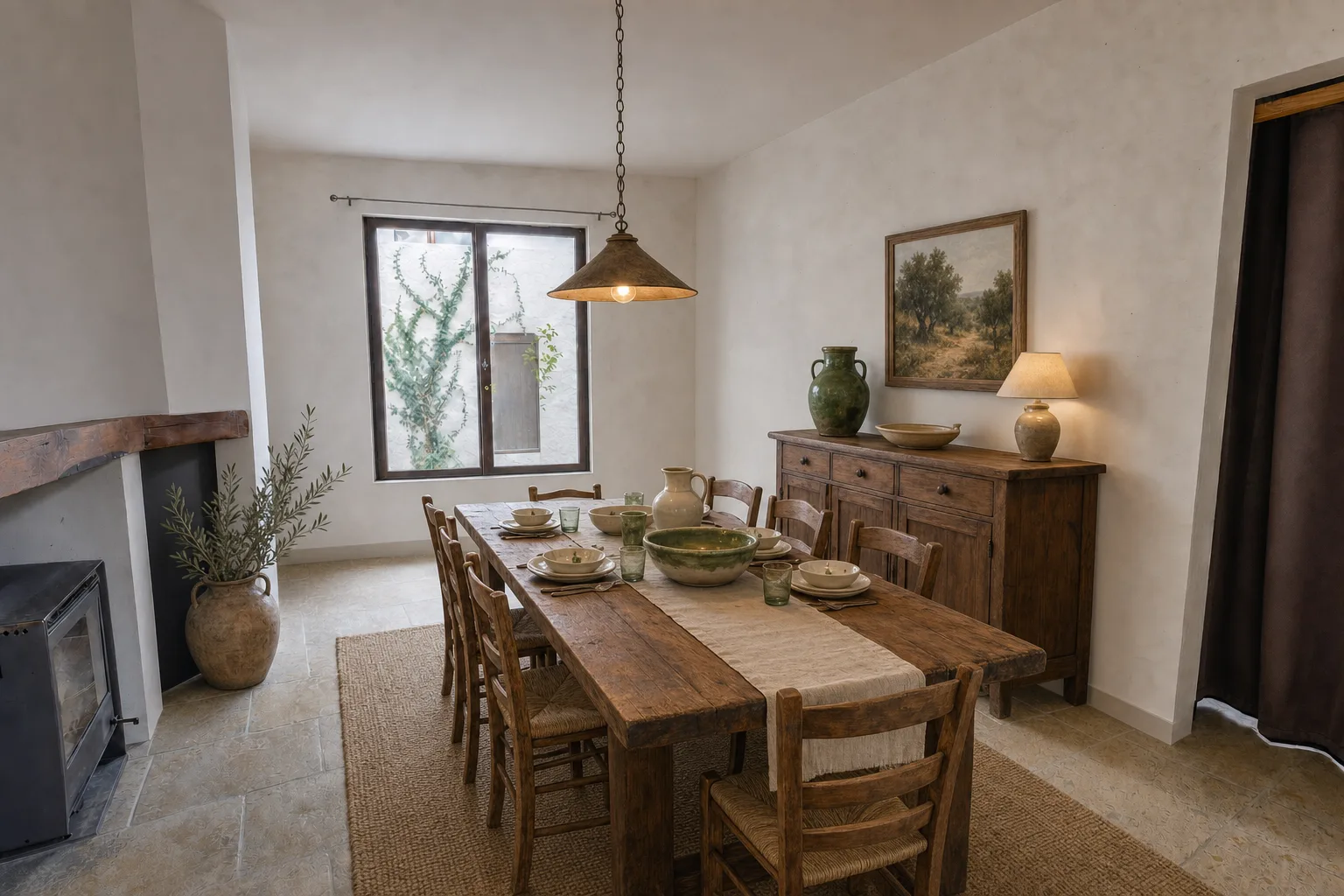
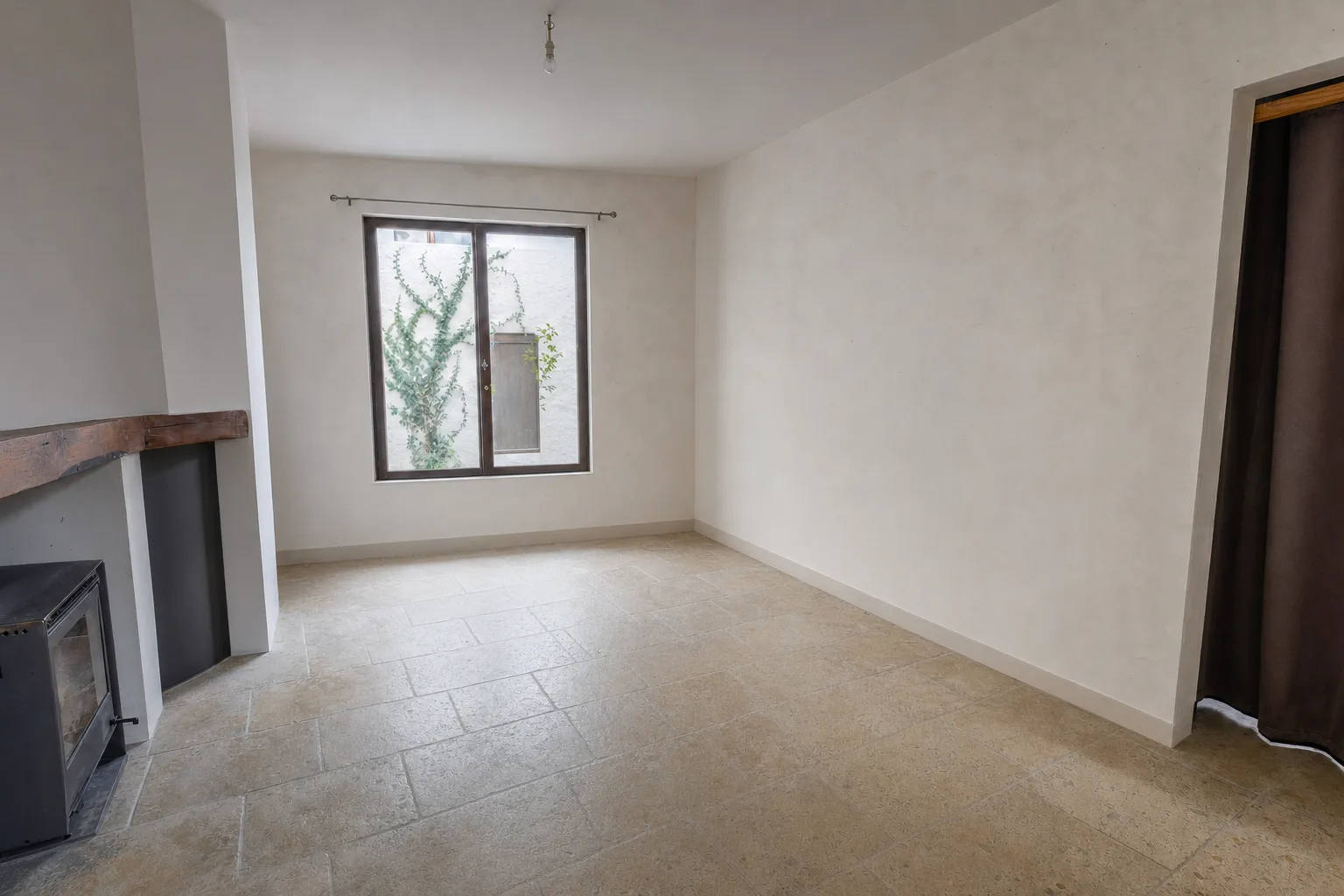
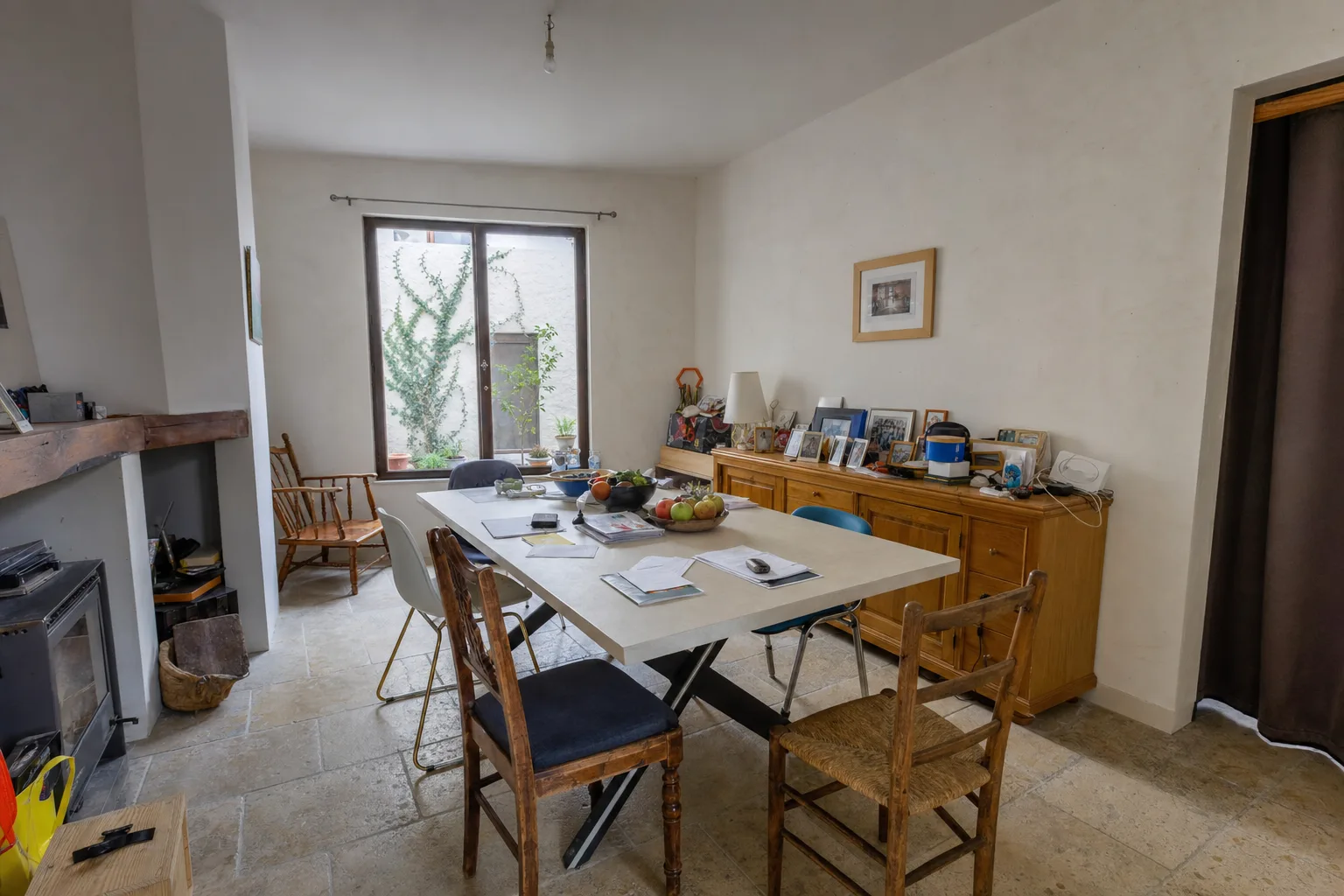
The table rules the room: long, wooden, solid, visibly used. Surround it with rush-seated or simple wooden chairs, light it with one warm pendant or a cluster of candles, and set it with hand-glazed ceramics in white, sand and green. A dresser holds the pottery you actually use. This is a room built for two-hour dinners, and it should look like one even when it is empty.
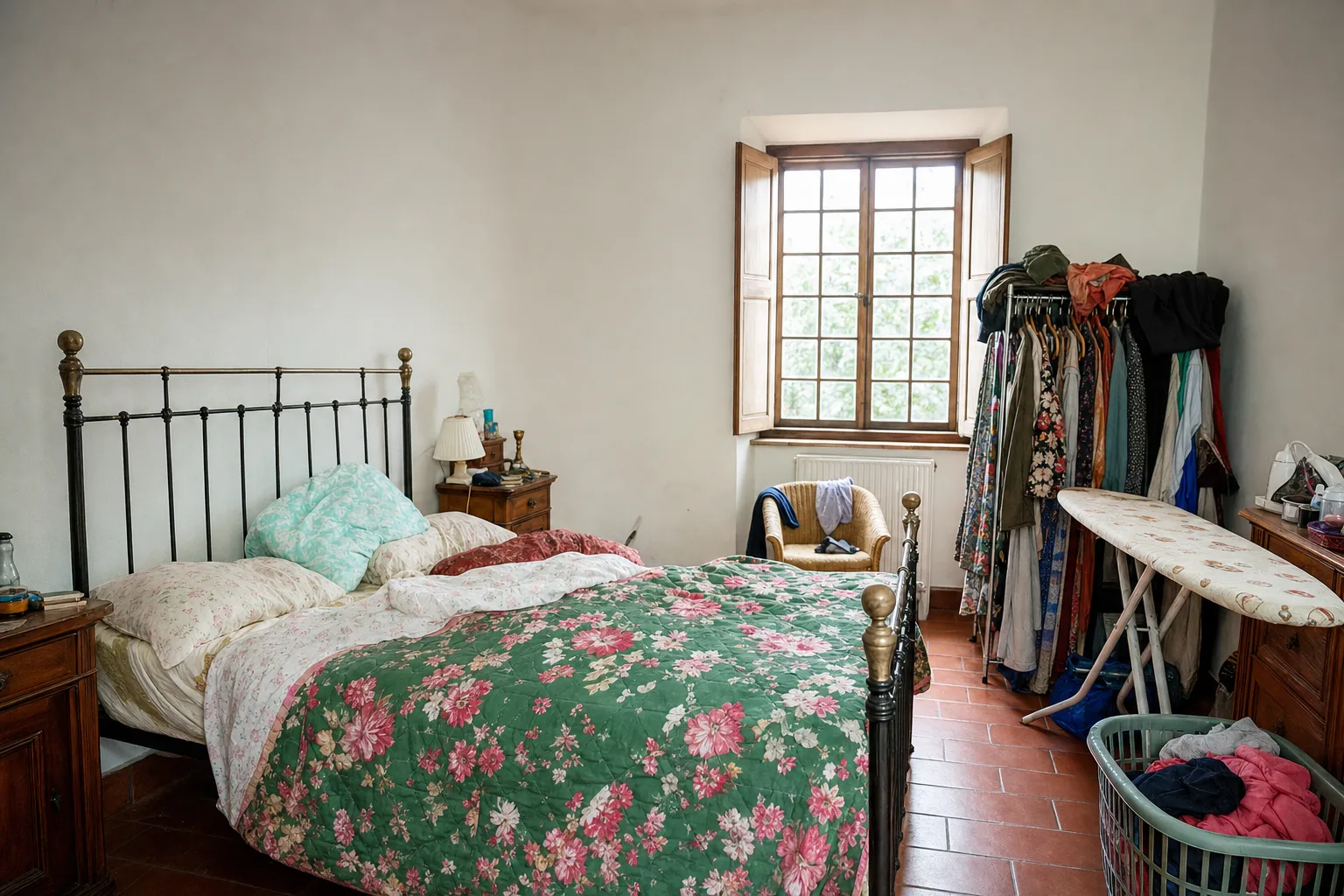
The Mediterranean bedroom
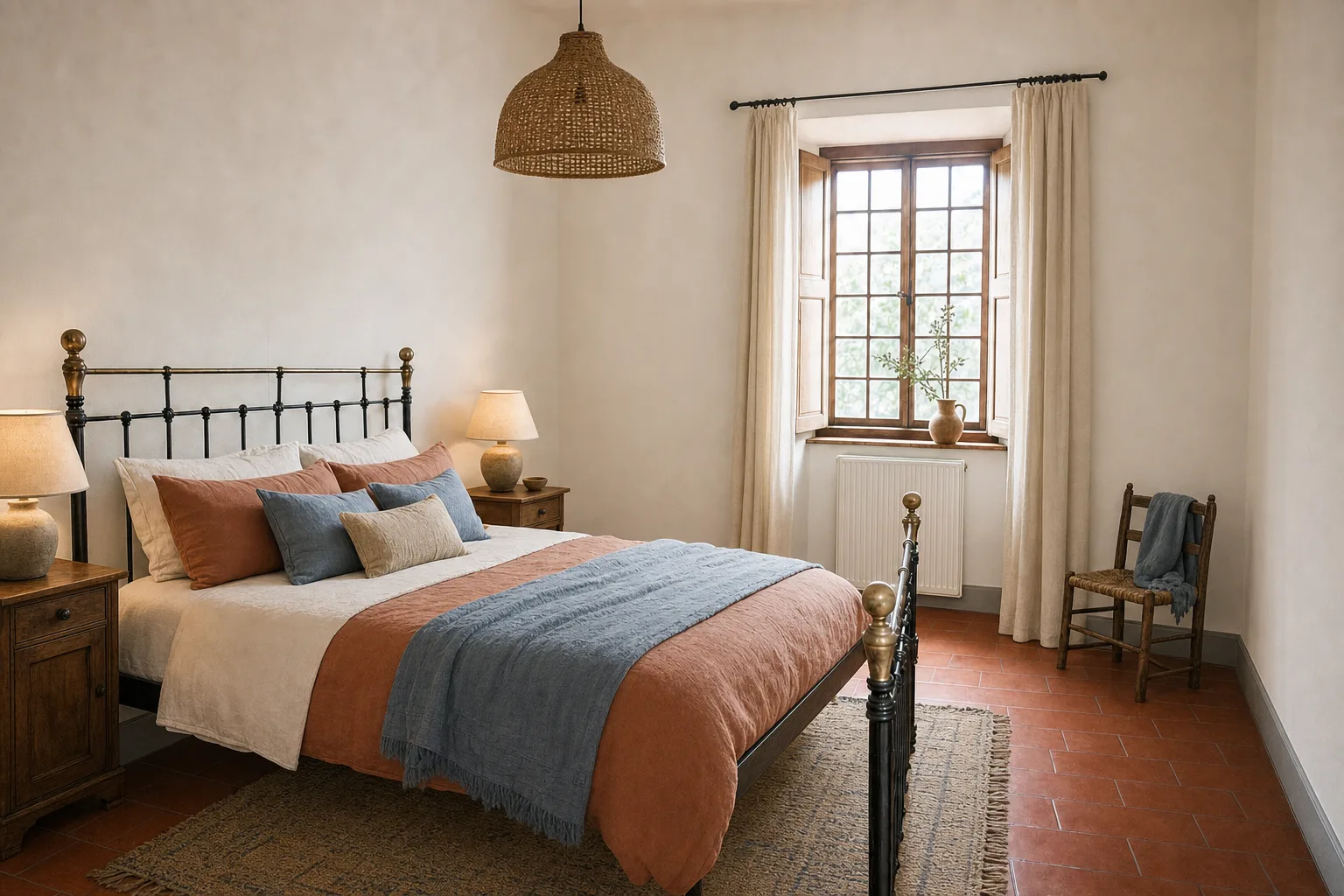
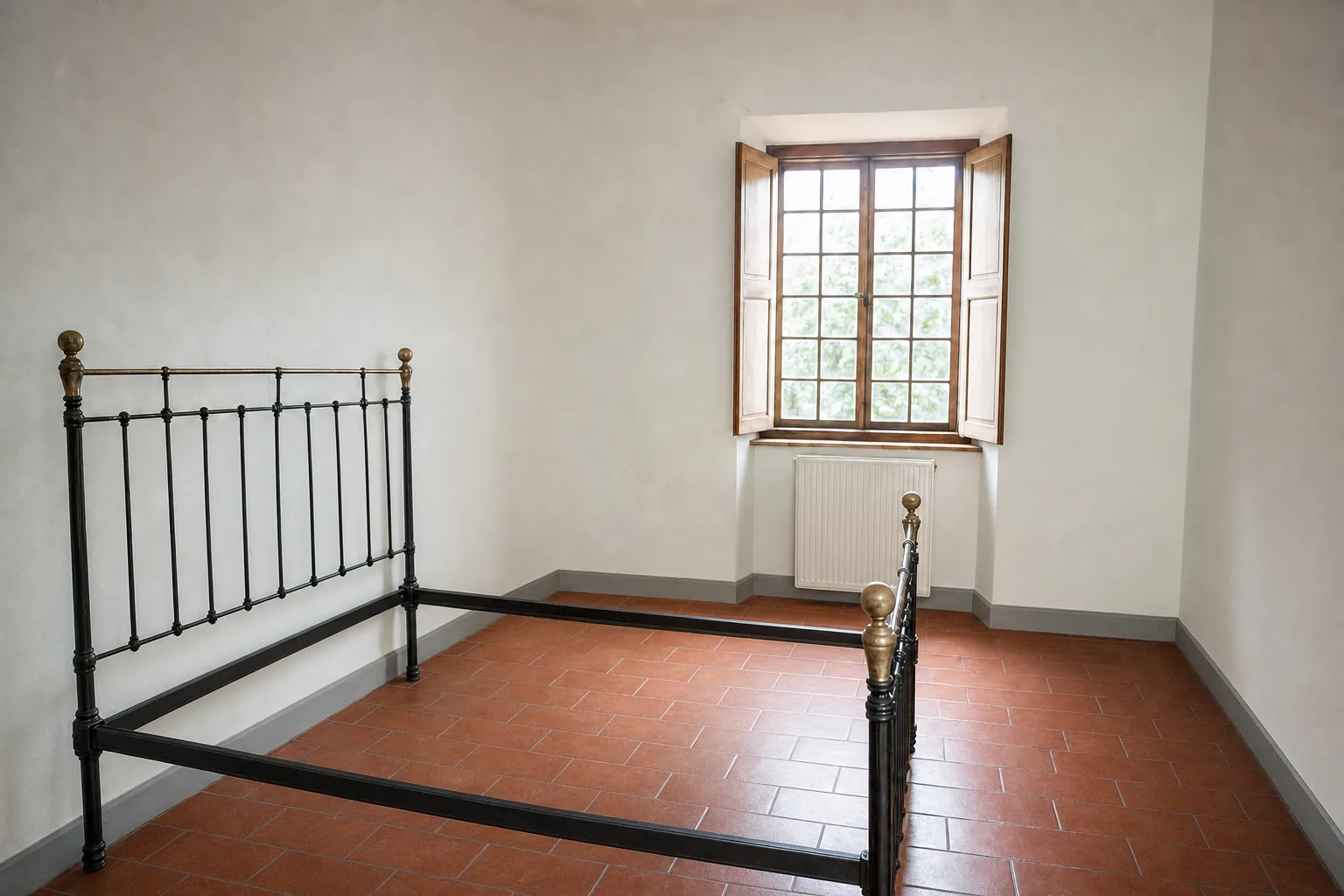
Whitewashed walls, a wooden or wrought-iron bed dressed in washed linen, white layered with clay or faded blue. Keep nightstands small and wooden, add one woven pendant or ceramic lamp, and put a worn rug on the warm floor. Shutters or plain linen curtains filter the light. The room should feel cool at noon and golden at seven, and it needs remarkably little furniture to get there.
The Mediterranean kitchen
The most-loved room of the style: open shelves with everyday ceramics, a stone or wood worktop holding olive oil, a mortar and a bowl of lemons, tiles with a handmade edge, and a table close enough that guests sit in the kitchen whether you planned it or not. Keep colors in white, sand and green with terracotta beneath. Order comes from baskets and shelves, not from hiding everything.
The Mediterranean bathroom
Lime-washed or zellige-tiled walls in white or sand, a stone or terracotta floor, and brass or aged-bronze fittings that will only get better with time. Keep the palette to two colors plus white, hang linen towels, and add a wooden stool with a bar of olive soap and one plant that likes the humidity. It should feel closer to a small hammam than to a showroom.
See your own home in Mediterranean style
Upload a few photos of your rooms and describe the Mediterranean look once. Twelve Lumens declutters your rooms and refurnishes them in that style in minutes, architecture untouched, originals always kept. The first five images are free, no credit card.
Upload your photos
Straight from your phone — any room, exactly as it looks today.
Declutter, then restyle
One click clears the clutter; another furnishes the room in this style. Walls, windows and floors stay exactly where they are.
Compare and share
Original and restyled side by side, in high resolution — download them or share a before-and-after page.
Mediterranean vs. similar styles
Mediterranean vs. coastal
Coastal is lighter and breezier: white, driftwood and sea air, mostly northern. Mediterranean is warmer and earthier, built on plaster, terracotta and olive, and it keeps its color even in winter. Coastal whispers the beach; Mediterranean carries the whole landscape.
Mediterranean vs. boho
Both love natural fibres, plants and handmade ceramics. Boho layers freely and borrows from everywhere; Mediterranean is tied to one region and stays more architectural and more restrained. A boho room shows its collections; a Mediterranean room shows its walls.
Mediterranean vs. modern farmhouse
Both are rural and honest, but farmhouse is northern: painted wood, black metal, chalky tones. Mediterranean swaps paint for plaster, black for brass and clay, and cool calm for southern warmth. Farmhouse is a cloudy morning; Mediterranean is late afternoon sun.
Mediterranean style: common questions
What exactly is Mediterranean interior design?
The style of southern European homes brought indoors: rough plaster walls in warm white, terracotta or stone floors, solid wooden furniture, linen textiles, hand-glazed ceramics, and a palette taken from the landscape, olive, clay, sand and sea blue. Its richness comes from texture and material rather than decoration.
What colors make a room Mediterranean?
A warm white or sand base, grounded by terracotta and clay, with olive or sage green and small doses of sea blue. Keep the colors slightly faded, as if the sun has already worked on them; bright primary versions of the same colors tip the room into beach-bar territory.
How do I get the Mediterranean look without renovating?
Work with textiles and objects: undyed linen on the sofa and bed, a jute or worn wool rug, hand-glazed ceramics, woven baskets, an olive branch in a heavy jug and warm low lighting. To preview it first, upload a photo to Twelve Lumens, describe the Mediterranean look once, and see your exact room in it. The first five images are free.
What is the difference between Mediterranean and coastal style?
Temperature and weight. Coastal is pale, airy and northern: whites, light woods, sheer fabrics. Mediterranean is warmer and heavier: plaster, terracotta, olive green, dark wood and brass. Both reference the sea, but Mediterranean grounds it in a hot, dry landscape rather than a breezy one.
Is Mediterranean style popular in 2026?
Very. As interiors have moved toward natural materials, texture and warmth, the Mediterranean vocabulary of lime plaster, terracotta, travertine and olive tones has moved from holiday homes into everyday interiors across Europe, usually in its quieter, more architectural form.
More styles to explore
Scandinavian
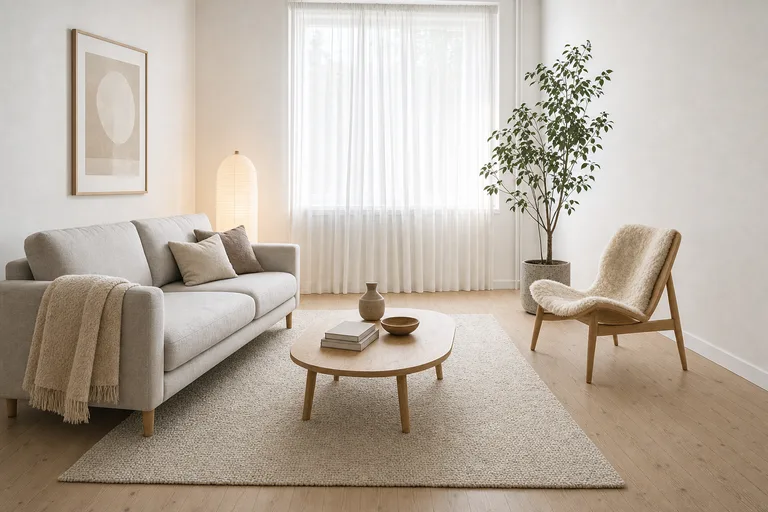
Pale wood, warm white and soft texture — calm, bright rooms built for real life.
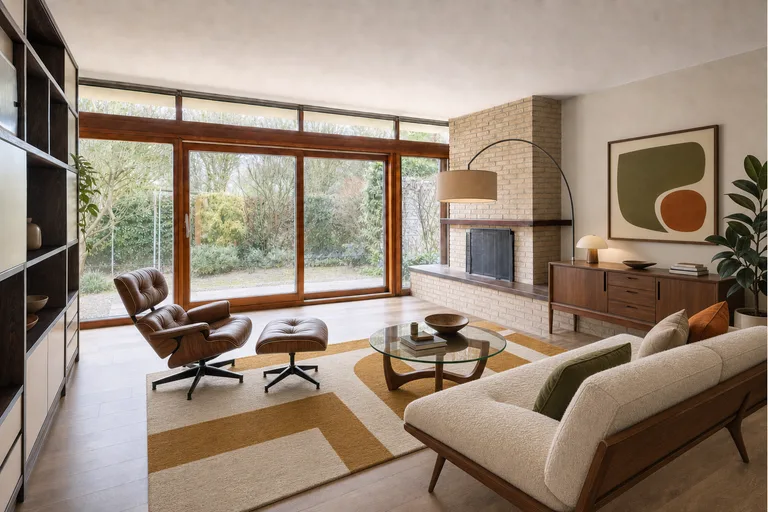
Mid-Century Modern
Walnut, tapered legs and confident color — the 1950s look that never left.
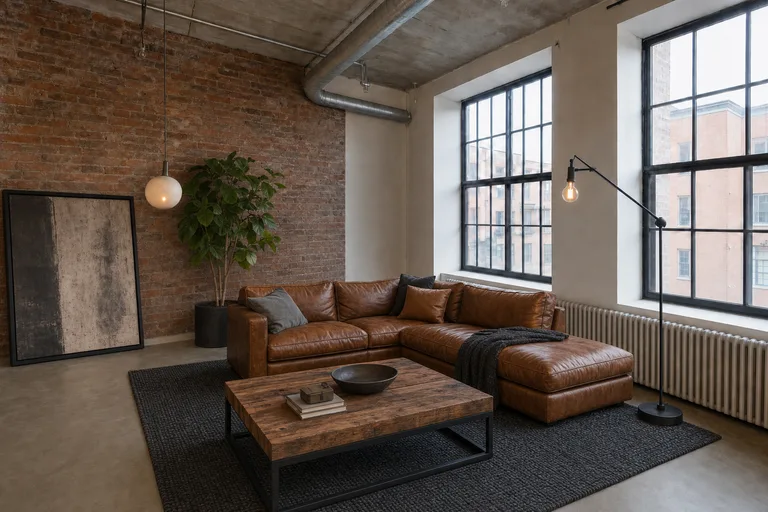
Industrial
Brick, steel and leather — raw materials made warm enough to live in.
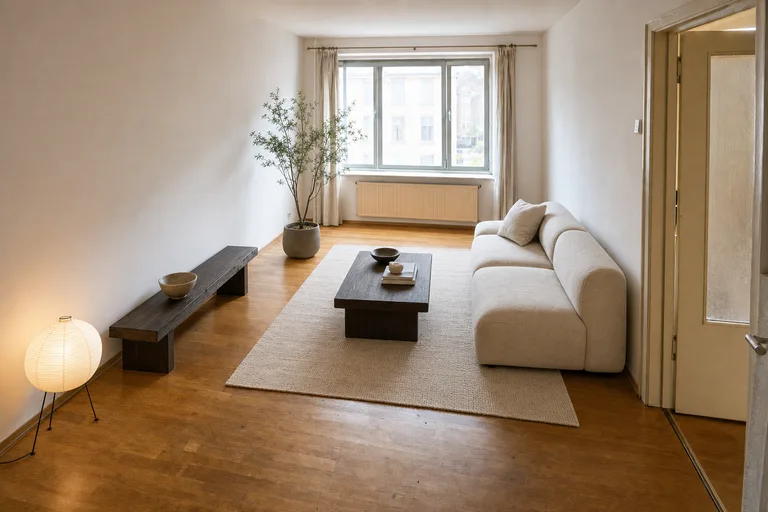
Japandi
Japanese calm meets Scandinavian warmth — low lines, warm wood and deliberate emptiness.
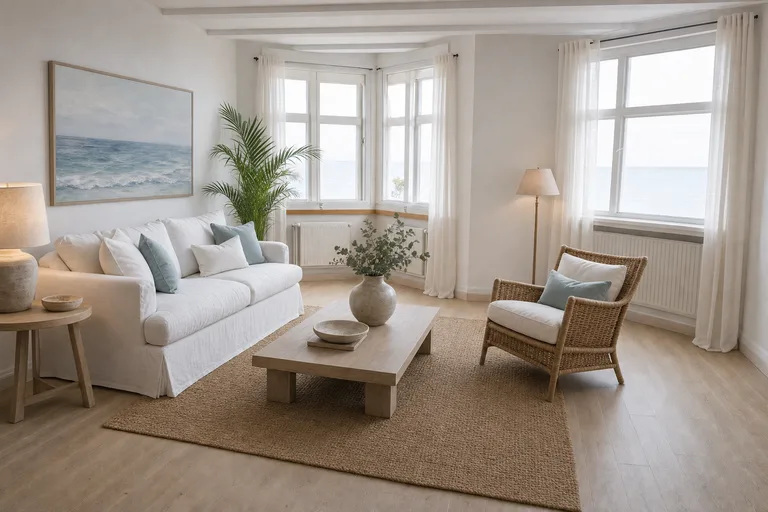
Coastal
Sea light, sand tones and washed linen — the beach-house feel, without the kitsch.
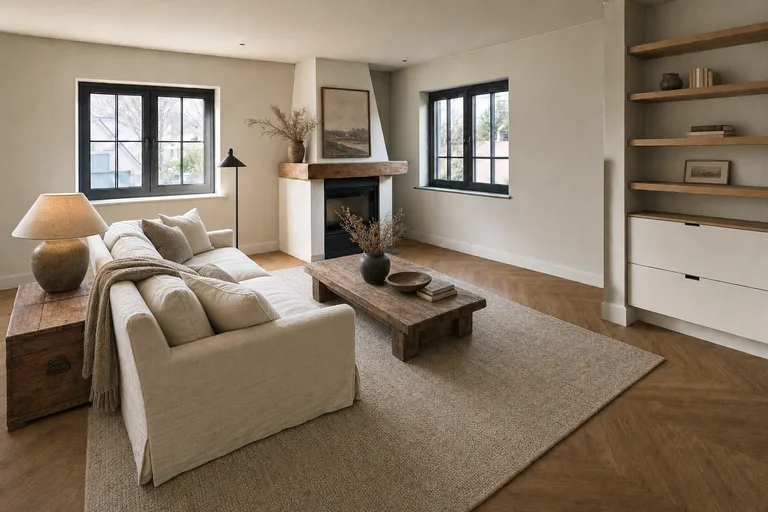
Modern Farmhouse
Clean lines meet rustic warmth — white walls, aged wood and black accents.
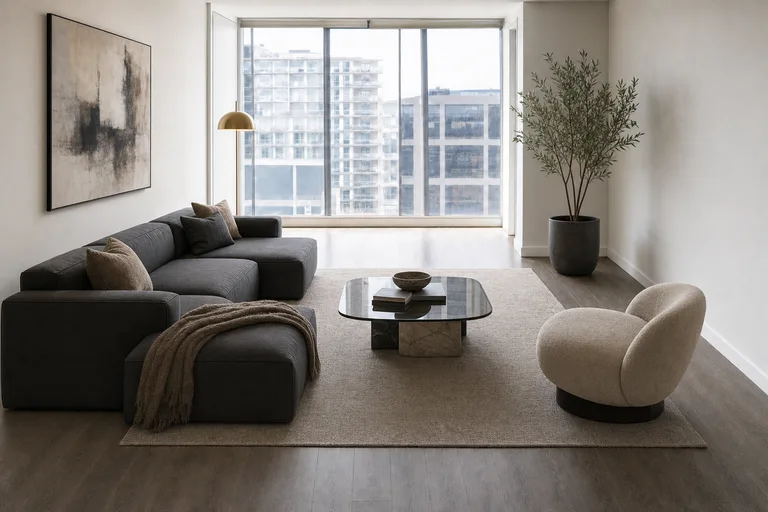
Modern
Clean lines, charcoal and brass — the current city look, warm instead of cold.
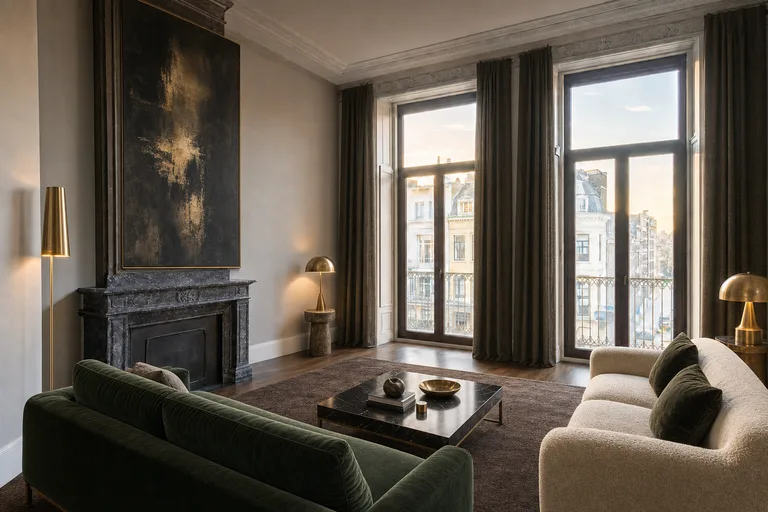
Luxury
Travertine, velvet and brass — editorial restraint where the materials carry the story.
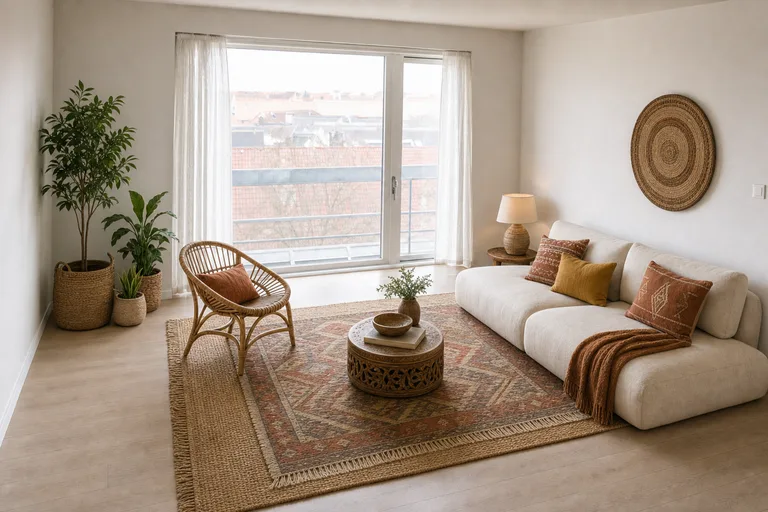
Boho
Rattan, terracotta and layered textiles — the collected look, curated instead of chaotic.
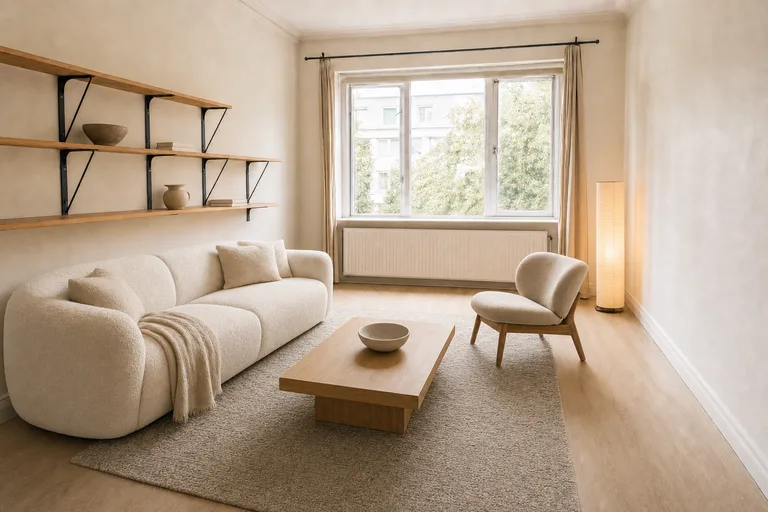
Minimalist
Fewer, better things in a calm shell: warm whites, clean lines and surfaces that stay empty.
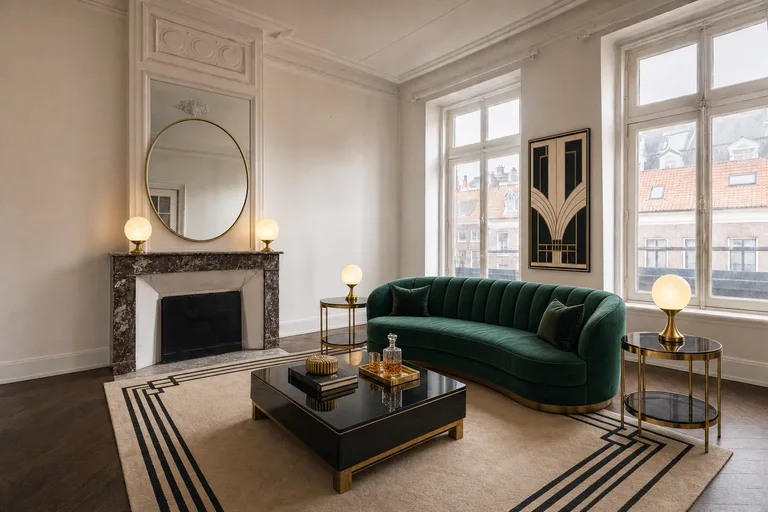
Art Deco
Geometry, brass and deep velvet: the glamour of the 1920s, disciplined for a real home.
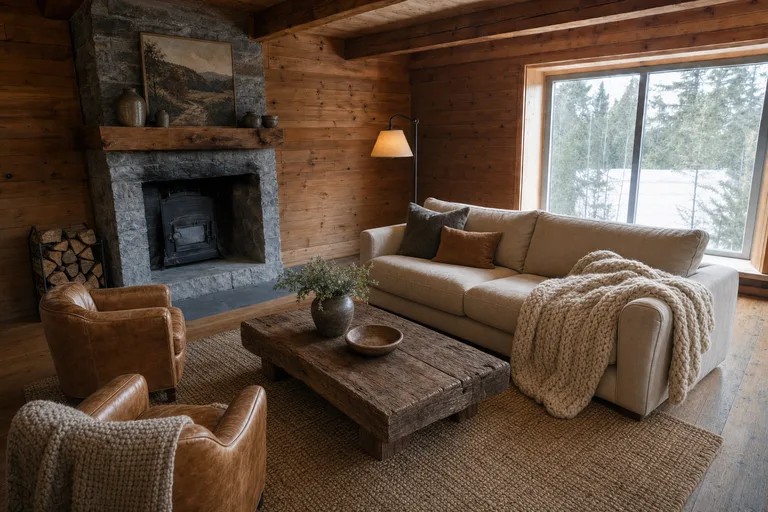
Rustic
Heavy timber, stone and wrought iron: raw materials doing the talking, without the cabin kitsch.
Your home, Mediterranean
Upload your photos and see every room decluttered and restyled in minutes. The first five images are free, no credit card, and your originals are always kept.